If you follow pet news it has recently become quite trendy to follow raw food diets for cats.
If you’re not familiar, this basically means feeding your cat a diet of uncooked animal muscle meat, organ meat, and in some cases even including the bones.
You’re probably wondering if it is safe to try a raw diet for your cat. Before we answer the safety let’s get a full understanding of the raw diet (or feel free to pop open the quick nav and read the answer).
To reiterate above, a raw diet means uncooked meat, muscle or organs, and bones. This type of food is sometimes called the BARF diet. No, it isn’t because it makes your cat get sick and barf all over the house.
BARF stands for "bones and raw food" or "biologically-appropriate raw food." Note you may also hear a Raw Diet or a BARF diet called a Fresh Food Diet as well.
The ideal raw diet is prepared based on a carefully designed recipe. Many cat owners choose to prepare these diets themselves, but you can also buy them pre-made in freeze dried packaging.
If you choose to feed your cat a raw diet, it should be one that has been determined complete and balanced by a veterinary nutritionist.
Why Consider A Raw Food Diet?
Cats thrive on high-protein and high-moisture diets rich in substances only found in meat. Felines are obligate carnivores. Which essentially means they must eat meat to survive.
This means that wet cat food is healthier than dry food cat food, but the negative PR associated to commercially available processed food (dry foods make your cat fat, both wet and dry food can suffer from product recalls) has many people starting to pursue alternative diets for their cats.
These diets are considered both healthier for your cat and better for the planet by avoiding mass production of meat and the hazards that come with it.
I've also heard of a few individuals attempting vegan diets for their cats. If you happen to run into anyone considering feeding a cat a vegan diet please point them to a veterinarian immediately to ensure they know this will be fatal to the cat!
Raw diets are becoming more popular because commercially available foods have additional ingredients cats simply don’t need to survive or they aren't made of high quality ingredients.
Additional unnecessary ingredients can include anything from grains to vegetables to other carbs. But most commercial foods also include preservatives that improve shelf life and taste.
Low quality ingredients can basically be the throw away pieces from meat processing for other purposes. Basically meat that isn't fit for human consumption is fed to cats instead.
One of the biggest proponents for raw food diets is Dr. Karen Becker. In this video she discusses how the pet food industry historically used low quality ingredients and how trends are moving toward raw food diets as pet owners are starting to understand more and more about pet health.
Supporters of raw food diets believe that processing or cooking meat isn’t in line with what a cat would experience in the wild and they'd like to help the cat live as close to naturally as possible.
But the owners have other things to consider as well. These cat owners want to remove the dangerous aspects of hunting (like getting lost or injured) while ensuring the diet is as close as possible to what the cat might experience if it were a wild cat.
Cats, left to their own devices, hunt and eat rodents and other small mammals as well as birds, insects (some cats do an amazing job at this when bugs get in the house), and even reptiles.
Although a wide variety of both wet and dry cat food is seafood based, most wild cats do not actually hunt or eat fish or seafood. There are some rare wild cats that do this, but most don’t.
Supporters of raw food diets for cats note numerous benefits all the way from a shinier coat to losing weight through to better overall health and longevity.
Little research has been done to scientifically prove the benefits of raw food for cats, but research does indicate dry food and carbohydrate heavy foods cause obesity in cats which has a direct impact on overall health and lifespan.
Given this it only seems logical to consider a raw food diet. They key item that comes up time and time again with raw diets is whether or not they are actually safe for your cat.
Are Raw Food Diets Safe For Your Cat?
The biggest consideration for any pet owner is that raw diets don’t use cooked food. We humans cook food because it kills large percentages of bacteria that tend to cause food borne illnesses. The most common to impact people are Salmonella and E. coli.
The same risks exist for your cats, especially since you’re not going to catch and kill an animal yourself then feed it to your cat.
The longer meat is "out," refrigerated or not, the more likely it is to develop a risk of infecting your cat. Refrigeration only reduces the speed bacteria multiply, it doesn't stop it.
But Cats Evolved In the Wild
Cats can of course digest raw meat better than humans due to their acidic digestive tracts. They evolved specifically to catch and kill their own prey, but keep in mind they would eat it immediately after killing it.
This means that there’s still a risk of infection and the resulting sickness as the time between killing their prey to eating their prey increases.
As with humans, any cat that has something impacting their immune system should assuredly avoid a raw diet where the risk of infection is higher. FIV cats in particular should take extra care in pursuing a raw food diet due to their susceptibility to get infections.
One other major safety risk is bones. Bones break and splinter and can cause all sorts of injuries and obstructions within your cat’s digestive track and throat. Wild cats can and have died from bones, but we humans have solutions for this problem in a meat grinder!
So What's the Verdict, Safe Or Not?
The short of it is that raw diets can be totally safe for your cat and they can likely provide a host of health benefits for your cat.
But as a cat owner you'll need to be careful about how you prepare food and how you feed your cat a raw diet. It requires extra special care to ensure the food is made properly and has the right nutrients.
How Can I Reduce the Risk of Illness & Injury With a Raw Food Diet?
The biggest thing you need to consider when you’re dealing with a raw diet is to ensure you sanitize the entire preparation and eating area thoroughly and often.
This can be done with a 1:32 bleach:water solution which can be prepared in bulk in advance and put in a spray bottle. I recommend paper towels so you can throw them away after use.
Some of the easiest and best things you can do to minimize risks from a raw diet are:
Only purchase your meat from a reliable and trusted source
Freeze the meat and prepare it frozen or as cold as possible
Prepare the food in a controlled area, preferably away from your kitchen
Sanitize everything immediately after preparation
Keep your cat out of the preparation area before sanitation
Feed your cat in an area that is easy to clean sanitize
Use stainless steel bowls that can be boiled or run on a separate dishwasher cycle
Be sure bones are ground thoroughly so they don't get stuck or puncture anything
Where Can I Find Raw Diet Recipes?
Consult with your veterinarian before you switch your cat over to a raw diet. Some vets will support this transition, but many will not due to the risks outlined above.
If you feel strongly about trying a raw diet and your vet is not flexible about raw diets then you’ll definitely want to explore finding one who is.
There are plenty of vets experienced with raw diets so they can provide professional support in transitioning to the diet and informing you of any potential issues that might arise.
What Ingredients Do I Need?
The absolute best place I've found for a raw diet recipe for cats is on Feline-Nutrition.org. It'll give you a comprehensive overview of everything you'll need and the recipes themselves. Below is a quick overview.
Ingredients used in a raw food diets typically focus on the following core items: muscle meat, organ meat and eggs. Something like PetMD can get you started with more details on ingredients, but it is important to note that this is not enough.
The short of it is that you can’t simply buy hunks of high-quality meat, grind them up, then let your cat figure the rest out.
What Supplments Do I Need?
It is essential that you find an expert to help you outline a comprehensive diet plan due to the additional supplements your cat will need.
A key example here is taurine. For years cats were suffering from a wide variety of issues due to a taurine deficiency in their diets. The simple addition of taurine from all major cat food producers reduced several issues, namely blindness and heart disease.
There are several other potential supplements or additional ingredients an expert may recommend ensuring your cat has a complete diet.
A Great Video To Help
This video also provides a great overview of how to make a large batch of raw cat food for your feline friends:
Do I Have to Make The Raw Food Myself?
The short answer is no. You can buy "raw cat food."
If you want the benefits but simply don’t have the time to make the food yourself then you can consider one of the commercial raw cat food diets.
These are healthier than traditional dry cat food and they’ll require far less time and dedication.
Be sure to follow all instructions on the packaging as the food was typically prepared raw and then freeze dried for shelf life and shipping.
If the risks simply seem to high for you then you can also lean toward a high quality wet cat food. There are many options today that are completely grain free and some that are even vegetable free as well.
How Do I Transition to Raw Food?
Transitioning your cat to a raw food diet can be a time consuming process, especially if you've got a cat that is a picky eater.
This video with Dr. Becker and Tracy Dion will give an excellent overview of how to help you and your cat make the transition!
Other Things Worth Considering
Feeding your cat a raw diet has many other things worth considering before you decide to move forward:
Making food can be incredibly time consuming and requires an extensive amount of patience and planning. Just like making food for yourself or you're family it is a serious commitment.
Storing raw cat food requires space in your fridge and freezer and preferably you’d have a separate space for it since you usually don't want to mix raw meats with other foods.
Making raw cat food requires kitchen equipment most people don’t have at home already. The most common items you probably won’t have are a meat grinder and poultry shears.
If you use an automatic cat feeder due to your cat eating too fast then you’ll want to avoid a raw diet because the longer the food is out the more dangerous it becomes.
You’ll likely find making raw cat food diets far more expensive than buying commercialized cat food.
Wrap Up On Raw Food Diets For Cats
Feeding your cat a raw diet has both benefits and risks associated. The most likely thing to determine whether you go this route is if you have enough time and dedication.
Raw diets are a large commitment from a time and from a resource perspective, but they can provide health benefits to your feline friend if you’re interested in improving their overall health.
If you've got any personal experience with a raw food diet for your cat then please leave a comment below and let us know how it has worked out!
My cats eyes are watering. This is common for my cat Beast. It is pretty much a weekly if not daily occurrence.
I was going to the vet for a checkout though so I had questions to ask. Is it dangerous? Do I need to worry? Is there anything I can do to help? Should I clean them?
In this article we'll look into why cats eyes water and what you can and should to to help.
When your cat's eyes are in good shape and don't have any issues the tears drain into the nose.
This means everything is functioning normally and the tear film, the layer on your cat's eyes, is in good health.
If your cat's eyes are watering though the flow into the nose could be blocked or even overflowing. This may happen for lots of reasons ranging from inflammation to the shape of your cat’s face and anything in between.
There are two primary reasons your cat may have watery eyes:
Something is blocking the normal flow of tears
Something is causing your kitty to produce excessive tears
Although tears are produced on a regular basis to keep your cat's eyes moist, excessive tears are typically caused by inflammation which is the result of an infection or an allergy of some sort.
It is also possible they simply have a hair that is growing into the eye and irritating the heck out of it too.
The other major reasons you might see extra tears in the eyes is because of an injury of some sort.
Cats of course get in fights and just like us humans they can sometimes be clumsy.
Any contact with the eye could cause a scratch or could get something stuck in the eye too.
All it might take is a little bit of dust or even a something else blowing around in the wind if you have an outdoor cat. All of these things can cause irritation in the eye and cause it to water excessively.
There are also several congenital reasons that may cause your cat to have this issue.
These are things like a lack of an eyelid (some domestic short haired cats have this issue at birth) or even a condition called epiphora which makes your cat produce excessive tears their entire life.
If you'd like a much more comprehensive list of the actual diseases and issues that can cause watery eyes please check out this article on wagwalking for a complete breakdown.
Conjunctivitis is by far the most common infection your cat can get that will cause inflamed eyes as well as extra tears to be produced. You'd probably most commonly know it as the dreaded 'pink eye.'
It can cause one or both of your cat’s eyes to look red and swollen, be light-sensitive, and have clear, teary or thick mucus eye discharge.
On the bright side of things this is usually relatively easy to treat with an ointment or drops provided by your vet and your cat should see a swift recovery. This video sounds very robotic, but has some very helpful tips on care:
You should however be aware that if your cat is experiencing the above with a fever as well as diarrhea then your kitty may be in severe danger from feline infectious peritonitis. Get them to an animal hospital as quickly as possible.
The most obvious sign of overly watery eyes in cats is the a brown/reddish staining on the face right below the eyes.
You might see it as black as well depending on the color of your cat's fur and skin. It is usually crusty and relatively easily wiped away.
There are however other things worth considering too. If you don't see the most common symptom, that eye gook / staining, then you'll also want to keep an eye out for:
Squinting: If you notice your kitty squinting a lot they may be trying to squeeze the tears out of their eyes so they can see more clearly.
Red eyes: Red eyes can be caused by the irritation that is likely causing the extra tears to be produced to begin with.
Scratching of the eyes: If your cat is constantly pawing at her eyes and rubbing at the general area then it is often an indication she has watery eyes and is trying to clear them.
Inflammation: If you notice any inflammation it is likely there's an infection of some sort at cause and you'll want to get a vet check up straight away.
Eye discharge: This is typically caused by something more serious than simple watery eyes. If you notice any form of colored discharge coming from the eyes you'll want to get your cat to a vet immediately.
Unless your cat just has a light case of watery eyes the first thing you should do is get your cat to a veterinarian for a professional opinion on what is causing the watery eyes.
If you've simply got a light case then you might just wait it out for a few days and wipe the corners of the eyes with a clean damp cloth. This will ensure you don't get any long term stains in the corners.
However, if the watery eyes seem more severe get to the vet and get a comprehensive exam and diagnosis.
If your vet tells you that you've got an issue that requires medication then you're likely to get eye drops or eye ointment that needs to be placed directly in your cat's eyes.
My cat Beast is prone to getting small scale eye infections and we constantly have to put ointment into the corners of her eyes.
To say the least, she isn't very happy about the process.
Always ask your vet if there are any special instructions, but there is a pretty common method for getting eye ointment into your cat's eyes and this video highlights it quite well:
If you have questions though be sure to have your veterinarian show you how to apply the ointment before you leave.
To say the least there are a few key items you should always focus on when applying ointment or drops:
Be sure to get your cat onto a smooth surface like a counter or table to ensure they can't easily get a grip and try to run away
Always wash your hands before applying any ointment to the eyes
Apply the ointment directly from the tube, you can easily poke your cat in the eye if you decide to apply it directly from the tube
If your cat is willing to eat treats during the application be sure to provide them before, during and after the application so they associate good things with the medicine
To say the least it can be difficult to apply ointment or drops over a long period of time. Most cats don't like the process and will make their dislike known.
Recovery from watery eyes could be as short as a few hours or days or as long as several weeks.
It is completely dependent upon the root cause of the watery eyes.
A few examples may be the most effective way to get a handle on this:
If your cat has something stuck in her eye and you remove it you can usually expect a recovery within only a couple of hours
When your cat ends up with something like Conjunctivitis then as long as you apply the appropriate medication consistently you can usually expect a recovery within a week or two
Cats with Upper Respiratory Infections that are treated properly usually recover within a couple of weeks as well
If your kitty recently got in a fight and has a scratched or damaged eye and requires a surgical procedure then you may be expecting an extended recovery period
Your veterinarian will be most well equipped to help you understand how long the recovery will take based on the severity of the issue causing the watery eyes.
If your cat seems to have always had this issue then it may be that you've got a feline friend that is more genetically prone to having watery eyes.
Overly watery cat eyes can be caused by the shape of your cat's face. The more flat faced your cat is the more likely they are to suffer from overly watery eyes.
A few breeds in particular tend to run into this issue: Persians, Himalayans and Burmese cats are known to suffer from this problem (among several other issues impacting flat faced cats).
Cats with a flat face and large eyes usually have an issue of tears spilling out of the eye and down the front of the face as opposed to down through the nose as they traditionally would.
This means goop and gook on your cat's face pretty consistently.
Another thing worth considering is that some breeds simply produce more tears than others based on their genetic makeup.
A few breeds in particular, Exotic Shorthairs, Himalayans and Persians, are known to produce more tears than other house cats.
This means you're more likely to notice those tear stains around the corners of the eyes than you would be with another breed of cat. It is easy as a cat owner to think this is a dangerous issue that needs to be treated.
You definitely should talk to your vet about it, but generally speaking it won't harm your feline friend. If you're looking to help though you should wipe the under-eye area to keep it as clean and dry as possible as the tears can irritate the skin and cause stains over an extended period of time.
You may have seen wipes on the market specifically targeted toward helping clean up the area around your cat's eyes. These wipes are for the area around your cat's eyes, not for the eyes themselves.
If your cat has a simple ongoing watery eye issue that causes the skin around the eyes to get covered in gook or goop then cat eye wipes can be a good option.
If your cat looks to have any form of discharge or inflammation then you should absolutely not use wipes on or near your cat's eyes.
Please note that even specially formulated cat eye wipes are not intended to touch the eye of your cat and you should never use them directly on the eye!
Watering eyes are usually not something that require expensive treatment or immediate medical attention. More often than not they are caused by a temporary irritation from the environment.
This is especially true if your encounters this issue on a recurring on and off behavior like my cat Beastling does.
I constantly wonder why my cats eyes are watering then remember it is usually not dangerous!
On the other hand, if your cat all of a sudden displays this as a new behavior it may be more pressing. even more so if you also notice any form of discharge or inflammation.
Any time you notice discharge or inflammation near your cat's eyes you'll want to get your cat to a vet as soon as possible to ensure they receive a proper check up and any necessary treatment!
If you have any questions or thoughts you'd like to share regarding cats with watery eyes please leave a comment below!
If you’ve ever had your cat wandering around with a clearly filthy butt you’ve probably wondered to yourself ‘What the heck is she thinking? Why doesn’t she clean up right after using the litter box?’
You might even have bits of poo stuck in your cat's hair, or cat dingle berries. Yuck.
This can be incredibly frustrating for owners. Not only does it look gross, especially since cats love to show off their butts all the time.
The major reason this is frustrating is your cat can leave nasty little stains and trails if they don’t clean up quickly and decide to sit down or lay down in a specific position.
So why doesn’t your cat clean her butt after a visit to the litter box? Are there specific reasons for it? And more importantly is there anything I can do to help encourage her to clean up sooner?
While there are a many potential reasons for cats not cleaning their bum, they more often than not fall into a couple large buckets:
1. Access
This is the number one culprit. You probably don’t think of it often because we humans don’t often have this problem, but some cats can simply not reach their butt to clean it. This can happen for several reasons:
Weight is by far the most common. Some cats are simply so overweight they can no longer reach their butt to clean it.
If your cat is in good shape from a weight standpoint it could be possible that arthritis is getting in the way as your cat ages and bending in that fashion is difficult for your cat.
2. Time
Also worth noting is time. Not all cats immediately clean their butt after the litter box. They might wait for a period of time before they decide to get around to grooming themselves.
Since cats have a typical order of operations ingrained into them (hunt, kill, eat, groom, sleep) you may help push them to clean up by providing a play session then feeding them after.
This will drive most felines to groom themselves, and the butt is usually included in their grooming. If you need tips on how to play check this article out.
How Can I Help My Cat Clean Up?
There are numerous methods you can use to help your cat clean up if you don’t want to wait for her to do it herself, but the most common and easy are below.
1. Cat Wipes
There are also special cat wipes on the market that are engineered specifically for this purpose. You will want to avoid any scented versions as most cats really don’t enjoy new scents or odors, especially applied to themselves. Again simply let it air dry.
A warm wet wash cloth can be used to wipe up your cat’s butt. Be sure to wash it thoroughly immediately after or rinse it out and throw it right in your washing machine. Let your kitty air dry after.
3. Paper Towels
You can use a damp paper towel to wipe down the area and help clean things up. Clearly your cat won’t particularly like this feeling, so you’ll have to be quick. Having another person to help hold your cat while you wipe is very helpful. Be sure to use a good quality paper towel when cleaning or it might tear and leave little tidbits behind. Let your cat air dry after.
4. A Cat Butt Bath
If things are especially messy and hardened then you may need to soak your kitty’s rear end in the water to loosen things up before you can get the mess out. Be sure to use a cat specific shampoo and I’d personally recommend wearing some rubber gloves to clean up this kind of mess.
What Can I do to Prevent This Behavior?
There are a couple of major things you can do to help your cat in this area:
1. Check Your Cat Constantly
If your cat has this issue on a recurring basis then the best thing you can do is keep an eye out for it all the time. As soon as a little bit of gook gets stuck in her fur it is only more and more likely to grow worse.
Be vigilant and clean things as soon as they start to minimize and issues. Check her when she comes out of the litter box.
2. Accessibility
If your cat is overweight the best thing you can do is put her on a diet and an exercise plan to help her lose weight. Be sure to play with your cat every day so she doesn’t sleep her whole day.
If you’re free feeding your cat with dry food you should also stop this behavior immediately. You should consider an automatic cat food dispenser to work on portion control and timing.
If your cat arthritic then you should instead talk to your vet about the option of a glucosamine tablet which may help your kitty’s joints loosen up a bit so she can reach back there again.
3. Food
The biggest culprit of a messy cat butt is almost always driven by the diet of the cat. If your cat tends to have poop that is not solid it is much more likely to cause a mess and get stuck in her fur and get all over the place.
Be sure you’re providing a high quality diet for your cat is loaded with high protein foods. If you need some recommendations you can take a look at this article for some great options. You may also want to consider a food that is formulated specifically for cats with a sensitive stomach.
If you’re still having trouble talk to your vet about options for your kitty from a food standpoint. The best method my vet has recommended (Lexi has a sensitive tummy and long hair) is to try a single food at a time for about a week and see if it helps make her stomach feel better. If not, move on to the next food.
On this note, if your cat is primarily an indoor cat and normally doesn’t get outside then try to keep your cat indoors in general. Eating a wild animal they catch can really jumble up their stomach because they simply aren’t used to it anymore.
4. Hair Maintenance
Long haired cats are most notorious for this particular problem because their fur is all over the place around their butt. Be sure you're brushing them daily to minimize loose fur. It is very easy for poop to get matted into the fur and then your cat simply cannot get it out on her own.
Ensure your cat is properly trimmed around her hind quarters. Many groomers will do what is called a ‘maintenance trim’ in this area to keep things short and help minimize this kind of issue.
If your cat is short haired then this is less likely to be a problem. Even so you can still do some trimming in the area or have a groomer do some trimming to keep down the chances of the fur getting matted with yucky stuff.
If you do decide to do the trimming yourself be sure to use a comb and use blunt ended scissors so your kitty doesn’t get poked. The comb should always be between the cat’s skin and your scissors to minimize the risk of injury.
I’d personally recommend a groomer if you can afford it as they have a ton of experience and will be far less likely to injure your feline friend. This typically costs about 15-20 dollars and a visit every 3-4 months is normally sufficient.
What If My Cat Left a Mess Behind?
There's always of course the dreaded situation that your cat decided to sit down in an unfortunate position before cleaning up and then left behind a nice stain for you on your couch or your carpet. Mine just sat on my sheet music next to piano...Now I can really truly play like crap.
Never fun in the least to find one of these behind. On the bright side, there are some good ways you can approach cleaning them up. No matter which method you decide to use I'd recommend wearing rubber gloves and washing your hands thoroughly once finished.
Soap & Water
No surprise, you can always go for the old fall back of traditional soap and water. This works best when things are still 'fresh' as disgusting as that sounds. Just take warm water and dish soap and a scrubbing brush and get to work on the spot.
Specialized Cleaners
There are numerous cleaners on the market specifically designed to more easily stains from your cat. You'll want to use one specific to your situation.
It is worth noting that most of them have enzymes to kill odors and remove stains far more effectively than traditional soap and water. Be sure to read directions closely to achieve the best results.
Wrapping it Up on Dirty Cat Butts
More often than not the reason for a dirty cat butt is either an issue of time or an issue of access to the area. If it is an access issue there are a bunch of things you as a cat owner can do to help whether it is help your cat lose some weight or get her something to help her arthritis.
This can turn into a recurring problem in some cats that are older and you may have to simply help your kitty clean things up with wipes or with paper towels.
There are a lot of options out there, be sure to use things specifically formulated for cats, not humans. Using human formulas can cause more irritation and make the problem even worse.
Also be sure to consider visiting a groomer from time to time if you have a long haired cat. This can make all the difference in minimizing places your cat can get dirty to begin with.
If you have any experiences you’d like to share then please leave a comment below or write me directly at Craig@StuffCatsWant.com.
StuffCatsWant.com is a participant in the Amazon Services LLC Associates Program, an affiliate advertising program designed to provide a means for sites to earn advertising fees by advertising and linking to Amazon.com.
Clipping your own nails is a pretty simple process, grab the clippers and a file and you’re good to go right? On the other hand clipping your cat’s nails can be quite a different experience.
You might have a cat that dreads getting her nails clipped and bolts the second she hears you open the drawer where the clippers are. Or even worse you might have a cat that is a sleeping fur ball of ferociousness.
They’ll let you hold them quietly until you clip the first nail then they freak out and scratch the heck out of your arm! No fun for anyone, especially you and your cat.
So how do you go about ensuring that clipping your cat’s nails doesn’t become a hated experience that results in your cat hiding under the bed every time they see clippers pop out?
There are a lot of things you can do to ensure that your cat will not run off instantly, but they might even become used to getting her nails clipped and relax throughout the process. So check out the quick guide below and start wherever you need to!
As with any habit you’d like to instill in your cat, if you can start from when they are a kitten then that is ideal.
Starting young makes your cat easier to handle and less likely for them to cause any serious injury and it gets them used to it before they are large and their little claws have turned into razor blades a quarter of an inch long.
Many of you will adopt cats that are already adults and you won’t have a chance to acclimate them to the process in the same way you would a kitten.
So let’s talk a little bit about an adult cat that isn’t yet used to getting their nails clipped.
Before You Start Clipping Know Your Cat’s Paws
If your cats are anything like mine, even though they are docile for the most part, they really don’t love having me touching their paws. Cat’s paws are unique in that they incredibly sensitive compared to our human feet shoved inside our shoes.
They are incredibly important to cats because without them they can’t hunt meaning they really can’t live. Given this they are very protective of their paws and likely to pull them back the second you touch them.
So let’s get started with getting your cat used to your touch. Take one of your cat’s paws between your fingers and give it a very gentle touch, if she is accepting then a light squeeze is ok to proceed with.
If your cat pulls her paw away simply let go and wait until she is still again. This may take some attempts before she is comfortable with you touching her paws at all. I’d recommend having lots of treats handy and providing them freely during this stage.
Once you’re able to touch her paws effectively then you can try to extend a nail out of her paw. You can do this by pressing from the bottom and tap of the paw on one of the paw pads.
Note: It may also help to play with your cat for 15-30 minutes and then let her calm down after the session and attempt this while she is sleepy/lethargic.
Get Acquainted with the Clippers
Cats love to get slowly acquainted with new things. Slowly exposing your cat to a new set of clippers, even when they aren’t in use, is a great strategy to help things along.
You can leave the clippers in her bed or her favorite place to sleep so that her scent ends up on the clippers. It may sound silly to do this, but it should help things along because she won’t see another brand new object when you get started with clipping!
Stop, Wait, What’s That Sound?
While you may not think about it because the sound of nail clippers doesn’t bother you, it is worth noting that cats can associate the sound with a bad experience. So let’s get these two things onto a good standing in your cat’s mind.
When your cat is nearby or in your lap you can snip a few pieces of uncooked spaghetti with the clippers. Then you can reward your cat with a treat after the clipping of the spaghetti to make her associate the sound with good things.
You can then move along. Next, while massaging one of your cat’s toes, gently press her toe pad. When the nail extends, clip the spaghetti with the clippers while still holding your cat’s paw gently. Now release her toe and quickly give her a treat.
As we all know cats don’t like change. If clipping your cat’s nails is a new experience then you’ll want to ensure you start slowly and provide lots of positive reinforcement. What do I mean by start slowly?
Well your cat has a heft number of nails, 18 to be exact. You’ve got 5 on each front paw and 4 on each back paw. If you’re just getting started with nail clipping you may want to clip only one or two nails the first time and then let your kitty go and reward her with treats.
This may take a while to get your cat fully used to nail clipping and some cats may never enjoy the process completely, so be sure to add in nails gradually.
One thing worth noting is that you’ll need to cut the front nails a lot more often than the back nails. Cats sharpen their front nails more frequently on their scratching posts and they will need far more attention to keep them manageable!
How to Clip the Nails
#1 Nail Trimming Position
If you’re going to be trimming the cat’s nails by yourself, the cat will need to sit on its rear on your lap, facing away from you, while you hold its paw with one hand (and, eventually, the clippers with the other).
#2 Use Nail Clippers Designed for Cats & Be Sure They are Sharp
It may go without saying, but just in case. To trim your cat’s nails, you’ll need a pair of nail clippers designed to clip cat claws. Don’t products that aren’t specifically designed for cat nails as you could end up injuring your cat. The only real exception is for very kittens where you may use a pair of human nail clippers while their nails are still tiny. I have used my scissor style clippers on foster kittens under 8 weeks and it works just fine.
There are several different styles of nail clippers, all of which largely do the same job. The most common two types are:
Guillotine clippers: Similar to the actual guillotine these use an entry slot for the nail and when you squeeze the handles together it shoves a single sharp blade forward to cut the nail. These are great clippers all around, but if your cat has really long nails that are curved like talons they can be a bit of a hassle to get the nail into the slot. The clippers in the shot above are guillotine clippers.
Scissor clippers: They look just like scissors, pretty straight forward. You can get them in various sizes. You’ll want to use smaller clippers for smaller/younger cats and larger ones for bigger or older cats that get trimmed less often. The clippers used in step 3 are scissor style clippers.
Ensure the clippers are sharp. If the clippers are sharp the cat won’t feel the quick clip. Your cat’s clippers will start to dull after extensive use. Be sure to replace them if you notice your clippers aren’t cleanly cutting the nails. Dull blades is likely the cause.
#3 Now For the Clipping
You’ve got your cat in position, you’ve got your clippers in one hand. Now it is time to clip. All your conditioning and practice now comes into play. Press one of your cat’s paws to extend the nail and then find the quick, slide your clippers into place, well away from the quick, and clip.
Ideally you’ll want to set your clippers up to cut from the bottom of the nail to the top of the nail, not the other way around. This will help minimize splitting the nails which can result in the clippers sliding or pushing a lot more pressure onto the quick which can be painful.
Be sure to press firmly and quickly once the clippers are positioned. This ensures a clean cut for the nail.
As discussed above you may only be able to clip one or two nails the first few times. Be patient! It might require multiple sessions over multiple days to get to all of the nails the first few times.
#4 Never Cut too Much
The pink part of a cat’s nail is called the quick and you’ll want to be really careful of this. Most cats will react very poorly if you cut it. This is because it is extremely painful and actually has nerves and blood flowing through it.
If you happen to cut this your cat will bleed and your cat will definitely start to associate nail clippings with a bad experience. DO NOT CUT THIS AREA. Only cut the excess part of the nail.
As with many things in life, you’re far better off being extra careful and leaving extra nail on your cat than you are being aggressive and injuring your cat.
I don’t know how many positive experiences it takes to fix a negative one, but in general most cat swill consider every nail clipping a negative experience. Do your best not to make it any worse.
If you do accidentally cut the quick, any bleeding can be stopped with a styptic powder or gel. It’s a good idea to keep it nearby while you trim, especially if you’re new to it.
#5 Get Smart and Wear Protective Clothing
If you’re a new cat owner I’d also highly recommend you wear protective clothing when trimming your cat’s nails. No, you don’t need Kevlar or anything or a SWAT helmet.
Wear long sleeves and multiple layers so that if your cat’s claws do come out or if they do react poorly you’ve got a certain level of protection. I aim to wear a thick hooded sweater and jeans while we trim just on the off chance a stray claw comes my way.
If you’ve got two people for your trimming and you’re working with a new cat you might want to have the cat holder wear pot mitts just for the sake of safety the first few times.
The person with the clippers clearly can’t wear these so they’ll want to be very observant of the cat’s behavior to watch for warning signs!
#6 Additional Thoughts If It Still Isn’t Going Well:
The Towel Taco: While not ideal for clipping, the classic towel taco can really help minimize your cat’s movement during the clipping process. The difficult part is leaving a front paw out to clip while you wrap the rest of your kitty up. That being said, this can be a very helpful method for trimming and clipping because it minimizes the potential threats!
Tag Team The Nail Clipping: If you have another person around this can make nail clipping a breeze compared to attempting it solo. I’ll freely admit that I’ve been lucky in that I always have another person to hold the cat while I perform the clipping. This makes the whole process undoubtedly easier and I highly recommend you bring help when you can.
Ask Your Vet Team: One thing I absolutely love about my Vet is that every time I take my cat in she gets a nail clipping free of charge. Obviously this isn’t often enough to cover me for the year. But I’d highly recommend you ask your vet if they can do a complimentary nail trimming while you are already in. They almost always have a multiple person team and they are very experienced in handling difficult felines. This might save you one or two clipping sessions a year.
Hire a Groomer: Last but not least, if you aren’t having any luck trimming your cat yourself you can always hire a groomer to do it. I’d personally recommend trimming your cat’s nails every two weeks and this can add up to be quite expensive if you have a groomer do it each time. But if your cat is horrified of you trimming her nails then this may be a solution.
One other thing to keep in mind is that if you do decide to pursue this route you’ll likely have to load your cat into the carrier and transport her on a consistent basis. Some cats really dislike this experience so you may want to check out my article on how to get cats into carriers the easy way.
Anything Else Worth Noting
Last but not least remember that your cat’s nails will grow her entire life and this is something you’ll need her to get used to at some point. Even if you find trimming her claws difficult you should not declaw your cat.
It is horribly painful for your cat and can cause all sorts of both health and behavioral issues.
I’d also suggest you ensure you provide a high quality scratching environment for your cat. This will ensure that your cat doesn’t end up scratching your furniture or your carpet and instead focuses on the right items that you specifically want them to scratch.
Check out this article for more details on cat scratching.
Wrapping it Up on Nail Clipping
As you can see there’s a lot to take into account when you want to clip your cat’s nails and likely you won’t be able to do this on your own time! Cats have minds of their own and love to make the simplest of tasks as complicated as they can. They do rule the household after all.
I’ve personally been blessed with cats at home that are pretty easy to trim and that I have another person to trim with, but trimming a cat alone at the shelter is quite a task when it is necessary!
Also be sure to read up on other grooming practices like brushing your cat on a consistent basis as well. If you have any questions about nail clipping or if you have any experiences you’d like to share then please leave a comment below or write me directly at Craig@StuffCatsWant.com.
StuffCatsWant.com is a participant in the Amazon Services LLC Associates Program, an affiliate advertising program designed to provide a means for sites to earn advertising fees by advertising and linking to Amazon.com.
Is your cat is peeing or spraying everywhere in the house? Or perhaps your feline friend is getting up there in years and having the rare (or even common) accident due to incontinence?
Cat diapers can help. With cat diapers you can not only let your cat roam the entire house again, you can ensure your furniture and floors stay in perfectly good condition while doing so.
There are a host of different options available. Below you’ll find cat diapers from various categories including washable, disposable, reusable, absorbent and even leak proof.
What’s most important though is that the diaper stays on your cat and he or she is comfortable with it. If that’s not the case then your cat can’t roam freely! So let’s take a look at the best diapers out there.
Pet Magasin is one of the most well respected Pet Product Manufacturers in the market and they have what are widely considered the best cat diapers on the market. Note they are marketed for both dogs and cats and work great for both.
The key benefits worth noting on this type of diaper:
These diapers have multiple inner layers that are each highly absorbent and an outer layer that is 100% waterproof.
They are made of extra soft fabric to increase comfort and acceptance.
There are numerous sizes. While most of you will use extra small or small for your cat you may bump up to medium for extra large cats like a Maine coon. You can measure your cat first and check the sizing chart to ensure fit.
They are both machine and hand washable. There are no special steps or special detergents required.
They are a quick drying by air or you can put them in a dryer on low temperature.
Washable diapers are far more environmentally friendly than disposable diapers.
There are 3 wraps in 3 colors in each package: green, blue, and purple.
Extra strong Velcro makes it quick and easy to secure and it won’t stick to fur.
PetParents is well known for their diapers and for good reason, they bring an amazing product to market that helps your cat feel like they aren’t even wearing a diaper. They also play to a large market of different cat sizes with one single product.
The key items worth noting on this product:
These will support a cat with a waist size 4″ to 10″. Measure your cat’s waist right in front of the back legs for the best fit.
You’re getting 3 colors in each package: pink, purple and black.
Far more environmentally friendly than disposables.
The highly absorbent pad is sewn right into the diaper and has a waterproof layer on the outside to prevent any leakage.
Velcro makes it quick and easy to close and secure and ensures it won’t stick in your cat’s fur.
There’s only nice soft fabric, no crinkly texture that some disposables have that tend to annoy cats.
Barkertime primarily focuses on making dog products, but this cat diaper is specifically made for cats. They’ve used their years of knowledge on dog diapers to bring an outstanding product to the cat market.
They key benefits of this type of diaper are:
This diaper was specifically designed for incontinent senior cats, female cats in heat (piddling cats) and spraying male cats.
There’s also a no-tail version available upon request.
Sizes extra small and small are ideal for most domestic house cats.
I think it is pretty obvious that the cheetah print is also a huge fashion statement. Bring out your cat’s true inner cat.
It has three layers of protection to ensure there’s no leakage:
1) The outside is made of a polycotton fabric.
2)The inside has a super soft lining for comfort.
3) There’s a waterproof layer sewn between the outer shell and inner lining.
It is super easy to put on and take off with the adjustable hook-and-loop tab system.
Barkertime also brings an added level of coverage with their Barkertime Suspenders for cats that try to pull them off.
Veterinarian’s Best Comfort Fit Disposable Female Diapers
This is an excellent option for those of you that are looking for a short term option. If your cat has recently had surgery and only needs temporary coverage than disposables are often a better option than cloth diapers.
The key features worth noting on these diapers are:
Each one of these disposable diapers is manufactured with a wetness indicator that lets you know when to change it.
Each one is also built with a comfort fit band that has a leak barrier to minimize leaks and spillage
There are also fur-safe fasteners and closures that are easy to reposition so you get the best fit for your cat every time.
Each pack comes with 12 disposable diapers which should last a couple of days.
Size extra small is the best for cats, but be sure to measure your cat for fit before purchase.
Wegreeco has another awesome option for extra small cats. If you’ve got a cat that is still growing up and is in need of a diaper before they become an adult than this is an option you’ll want to consider.
The key pieces to focus on here:
These small diapers are geared toward young or smaller animals. If you have a kitten that needs a diaper these are likely your go to option. Be sure to measure your cat closely before purchasing to ensure a good fit.
They are super easy to use with Velcro closures that secure it.
It wrap around your feline friend easily for maximum comfort and it won’t stick in her hair.
There’s no “crinkly” or uncomfortable texture that makes many cats unhappy.
They are washable so they help minimize environmental impact.
An extremely absorbent pad is sewn into the diaper and there’s an outer layer of water proof fabric to minimize leakage.
Simple Solution brings another form of disposable diapers to the market. These provide another viable option if Veternarian’s Best have not worked or you’re simply looking to get a lot more diapers in a single package.
Key options to note about these diapers:
The core is super absorbent and designed to lock in all moisture to ensure your kitty stays nice and dry even after peeing.
The fur friendly fasteners keep the diaper from slipping off your cat and they also ensure that fur doesn’t easily get caught in them.
There are two key sizes worth considering, the Extra Small and the Small. Extra small will be aimed at kittens and very tiny cats while small would fit most adult cats.
They feature a unique stretchable fabric that fits comfortably around your kitty.
The tail-hole has extra-long wings so these will stay in place even when your kitty is moving around.
If you’re looking to buy disposable diapers in bulk then Peepers has you covered. You can buy bases of their disposable diapers at a significant discount compared to traditional prices. Key items worth noting:
There’s built in elastic to help maintain a close fit and minimize leakage.
The fasteners are not sticky at all and won’t pull at hair.
Tail hole allows for plenty of comfort for your kitty.
You can order in bulk for a significant discount if you know you’ll need them long term.
If you decide to go forward with cloth diapers then you’ll likely find yourself washing them quite often. If you’ve got a lot of diapers or quite a bit of free time then this isn’t much of a concern.
But many of us are looking to minimize time spent washing things and maximize time spent with our kitties. Even if that means spending a few extra dollars. These absorbent pads can be cut to size/shape and put inside cloth diapers to help control leaks.
They’ll simply help control the frequency with which you’ll have to wash your cat’s diapers and help cover up any associated smell by immediately trapping the scent in the pad in a gel form.
Joybie’s are an alternative to a diaper, but they are largely similar in their purpose. The key difference between a diaper and piddle pants is that they are quite difficult for a cat to pull off.
Instead of only wrapping around your cat’s waist piddle pants are similar to overalls and loop around your cat’s entire body. They also have absorbent pad inserts that you can leverage to ensure maximum absorption and minimum leakage.
Some people have noted you can easily use any kind of absorbent pad cut to the appropriate size to cut down on overall costs.
Stud & Queen pants are another diaper alternative. Studs for boys and queens for girls. Strangely enough the garments are identical, it is mostly just terminology as stud pants sounds far more masculine.
Note that Stud & Queen pants at the link below are hand made by a single individual as opposed to mass produced. So you are truly getting an individualized product if you go this route.
Stud Pants & Cat Diapers are constructed of two fabric layers. The outer layer is breathable premium cotton. The inner layer cotton flannel.
Elastic is sewn on the inside for comfort and mobility & a hook and loop system is used for closure and adjustment. A washable or disposable pad is required inside the garment which can be purchased alongside it or you can use an alternate pad and cut it to fit.
This video will give you an idea of how to put stud pants on your kitty:
This is by far the most common reason you’d use a diaper for a cat. In the simplest terms possible it basically means your kitty is no longer able to consistently control his or her bladder. This is typically something that either has a medical cause or is simply coming with the age of your feline friend.
The older your cat gets the more likely this is to occur. If you have a young cat that is having issues controlling his or her bladder you can almost certainly chalk it up to some sort of medical issue. The most common issue is some sort of urinary tract obstruction.
If your cat does have an issue you’ll notice it quite quickly. Cat urine tends to have a rather strong odor and is rather unmistakable when it is not covered up or absorbed by a litter box. Given incontinence normally leaves behind anywhere from a few drops up to a large puddle you’ll identify the issue quickly.
Illness or Surgical Recovery:
Some felines may need diapers after a medical procedure or while recovering from an illness. This happens when surgery results in a lack of mobility for your cat or a limited capability to control the bowels or the bladder.
This need is usually on the shorter side, days or potentially weeks. As your cat regains mobility they’ll again be able to reach the litter box and use it normally.
Spraying or Marking:
When spraying and marking are becoming a long term issue and other methods of stopping them haven’t succeeded then you may want to consider a diaper for your cat. Diapering a cat that is spraying or marking is usually a last resort.
This is something you should discuss with your veterinarian before attempting as diapers can present other health related implications for your cat.
Not so sure what the problem is with your fur ball? Well if you’re seeing any of the following occur with your kitty then he or she may be experiencing incontinence:
Does your cat constantly have wet fur on her lower abdomen?
Have you ever found his or her bed (or maybe your own) wet?
Have you recently found puddles of pee on the floor when your cat has never had this behavior before?
Is your furniture starting to have wet spots from time to time even though your cat isn’t spraying?
The above are all common symptoms that your cat may run into as he or she gets older. Just like us humans your cat can experience difficulty controlling his or her bladder as they get older.
As noted above, the most common cause of this type of issue comes from age. As cats get older, just like humans, it becomes more difficult to maintain complete control of all of their faculties.
If your cat is not old there are some other potential reasons that could be causing your feline friend to experience incontinence.
Overweight Cats: These days feline obesity is becoming a more and more prevalent problem. Vetstreet estimates that over 25% of household cats are obese today. Overweight cats can develop diabetes or diabetic related symptoms. This sometimes causes cats to drink excessively which can overwhelm the bladder and cause urine to leak out.
Bladder Stones: Bladder stones are not 100% understood, but the most common theory for them is that certain minerals are found in elevated levels in your cat and they basically the compound over saturates the urine leaving behind a deposit. The longer the issue persists the larger the stones get and the more painful it gets for your cat. (Source: VCA Hospitals)
Neutering: Getting your cat fixed is considered one of the most important things an owner can do for long term health. But there are some potential drawbacks as well. Spaying or neutering your cat stop the production of estrogen or testosterone respectively. These hormones help close the external urethral sphincter and without them leaking is more common.
Genetics: If your feline friend has had issues with leaks her entire life then she may have a genetic condition/mutation. Your vet may be able to help diagnose the problem more accurately so definitely schedule a visit if you haven’t already.
While this list isn’t comprehensive it certainly touches on some of the most common culprits of incontinence in cats.
If you’re not already certain of the cause get your kitty to the vet ASAP for a check up. Your vet can help identify the root cause and may have potential treatments for you behind simply handling the resulting effects.
First and foremost, this is a question for your veterinarian more than it is for a website. A vet has the capability to examine your feline friend and take a look at which specific causes may be at fault and then provide an answer.
That being said this article simply wouldn’t be complete without some details on the potential treatments. So here are the most common treatments for incontinence that you may encounter.
There are of course different drugs on the market that can help treat an overactive bladder. My personal opinion is you should not self medicate your cat if you can avoid it. You should instead talk to your vet about this.
Stress is often a significant factor that can impact cats (just like humans). Reducing overall stress can significantly improve the health of your cat. Feliway could potentially help reduce stress for your cat. Making sure your cat has a comfy place up high and away from other pets might help too if you have dogs.
Changes what your cat is eating and drinking can also be helpful. Going grain free seems to be the most common change to help along with eating more greens. You may also find that gingko biloba can help alleviate incontinence.
Choosing the right type of diapers for your kitty is dependent on a couple of key questions. But before we get into selecting the right type it’d probably help to understand the different types that are available:
Reusable Cloth Diapers: These diapers are mostly made of fabric that you can wash and reuse. They’re mostly machine washable, and have pockets inside where you can place an absorbent liner. These liners can either be disposable or washable. They may cost more initially,compared to disposable diapers, but they’re better value in the long run.
Disposables: Exactly as the name states, these are just like disposable diapers for children. They are pretty much single use and you throw them in the trash after.
The Belly Wrap Band: The core difference between this and a reusable cloth diaper is that it doesn’t cover your cat’s butt. It only collects urine which is a nice benefit for cats that may only have a bladder issue but not a bowel issue.
Cat Pants: Originally developed to stop male cats from spraying they quickly also took on the role of minimizing the leaking of blood from female cats in heat. Similar to all of the options above you can insert a pad to collect the liquid.
Human Baby Diapers: It may sound odd, but many people do find success with baby diapers. You’ll have to experiment with the size and fit and you’ll obviously need to cut a hole for your cat’s tail, but there are benefits. Human diapers tend to be much cheaper because we produce a heck of a lot more of them. Most people recommend starting with the newborn size if you go this route.
So which is the best type for your cat? Consider the following questions to help you determine which option is right for you and your feline friend!
What type of problem does your kitty have?
Is the problem expected to be short term or long term?
The type of diaper you buy will largely be dictated by how long you expect to need it. For example, if you’re only going to need them for a week for post surgery recovery you’ll likely aim for disposables.
How many do you think you need?
This will be determined by your expectations of how long you’ll need to use them. Cloth diapers can be used effectively for
Are you able to wash/clean the diapers in your home?
If you’re either unwilling to clean the diapers or you don’t have a method for cleaning them then you’ll want to go the route of disposables.
How big is your feline friend?
Be sure to weigh and measure your cat and compare the measurements against the specifics of each brand before you make any purchases. Using a diaper that is ill fitting will not result in a positive experience for anyone involved.
How Do I Put the Diaper On My Cat (and keep it on)?
Putting the diaper on is the easy part with most cats, at least when you first get started. First you’ll want to slide your cat’s tail through the hole in the diaper and slide the larger side between the hind legs and under the stomach.
Then flip the short end up over your cat’s back and bring the larger side up to meet it and then use the adhesive/clips/tabs depending on the type of diaper you’ve decided to use.
Now the fun part, keeping the diaper on. Since cats don’t like much of anything but their own fur wrapped around them they are likely to attempt to bite or paw the diaper off. I hope that you have a very relaxed cat that just doesn’t mind the diaper.
If you don’t then you may want to consider purchasing a standard human baby onesie. These will fit around your cat’s entire body and minimize their ability to paw or bite at the diaper. they are also dirt cheap and you can buy them in bulk so you have extras when they (and they will) get dirty.
There also used to be a product called a diaper harness. This product was specifically designed to keep your cat diaper on your cat. But as I’ve recently updated this article I haven’t been able to locate the product for sale anymore.
You may also find this video helpful for putting on and changing diapers. Note that you’ll want to find specially formulated wipes for your cat, not baby wipes. Standard baby wipes can cause quite a bit of skin irritation or even worse in cats.
It shouldn’t come as any surprise, but you’ll need to put some extra work in if you want your cat to wear diapers. Since cats don’t naturally have anything wrapped around their body it can cause skin irritation if not handled properly.
Below you’ll find a few tips that may help in ensuring your cat is as comfortable as possible:
You should expect to change diapers often to minimize the amount of time a wet diaper is pressed against your cat’s body.
We all know cats don’t love new scents, be sure to use unscented alcohol free wipes to clean your cat’s skin.
If your cat develops a rash ask your vet for an ointment that is specifically for cats.
It should go without saying that if your cat poops in the diaper change it immediately.
Taking your cat to a groomer to shave or trim the area the diaper covers can make maintenance far easier.
If your cat is indeed in need of diapers then you’ll need to have a good deal of patience and a lot of persistence. Cats don’t tend to love wearing anything and diapers are high on that list, at least initially.
It is however the best way to deal with a problem that otherwise stresses both you and your feline friend out. It even ensures that your kitty cat can get around the entire house again and is no longer sequestered to places where spills and accidents can be contained.
Diapers are an excellent option to consider and I applaud anyone that is willing to spend the time and effort to ensure their cat maintains the full freedom of the house! If you have any additional comments or questions regarding cat diapers please do feel free to leave them below.
StuffCatsWant.com is a participant in the Amazon Services LLC Associates Program, an affiliate advertising program designed to provide a means for sites to earn advertising fees by advertising and linking to Amazon.com.
Given we’re getting into the heart of winter here in Chicago I was wondering what’s the right temperature for my cats. Especially when I’m gone during the day at work and nobody is home.
Is it alright to let it cool down to 65? Or maybe even a bit lower? Or will my feline friends get too chilly?
On the opposite side of things this got me thinking about when summer rolls back around. Do I need to keep the AC on a low temperature, or is it ok to let it get up there pretty high?
My understanding is cats originally came from being desert hunters, but does that mean that they can handle the highs and lows that come with living in a desert environment too?
So what is the ideal temperature for a cat? Let’s dig into this in a bit more detail. If you happen to be looking for details on cat body temperature then check out this article here from PetMD.
Most domestic cats are going to complain if the temperature gets any lower than 60 degrees unless they have a nice warm cuddly spot to hang out.
If you live in an extra cold environment, especially in the winter, you’ll want to make sure that you’ve got some warm cuddly blankets available for your feline friend.
My personal favorite is to provide a cave for my cats because they each like to cuddle up in nice dark warm spots anyway.
You’ll of course be able to fiddle with this temperature a little bit depending on the type of cat you have. If you have a huge fluffy Norwegian Forrest Cat then you probably won’t have as much of a problem at 60 degrees as you will with a standard Domestic Short Hair.
If you're truly worried about your cat being chilly you can also always ensure your cat has a very warm place to sleep. There are hundreds of cat beds on the market, but finding the right one can make all the difference both in general use and in making sure your cat stays nice and cuddly warm.
Be sure to check out my article on the top cat beds on the market if you're curious about good ones to choose from!
You might consider a heated cat bed if your place gets really chilly. Or if you just happen to find that your cat sleeps on top of you for warmth and it is interrupting your sleeping.
My little fur ball Beast loves to sleep right next to me on the bed which makes me hot as can be. Given this I tried a heated cat bad and voila she decided that was the place to be! If you're interested you can check out my article on the best heated cat beds.
Most heated cat beds run on low electricity and they are also designed to only turn on when the cat is in them. This means they aren't running up your electric bill all night long if your cat is sleeping out on the couch.
What About the Hot Side of Things?
Similar to the above, there’s no specific temperature where every cat will be too hot. It’ll obviously vary if you have a Sphynx versus a Maine Coon. That being said there’s a good rule of thumb that cats are generally comfortable up until about 80 degrees Fahrenheit and after that they might start to get too hot.
If you notice your kitty seems uncomfortable with the heat then you can help in a lot of different ways. The best one is to ensure your cat has a constant supply of fresh water. Cat water fountains can help ensure your kitty drinks plenty of water.
You can drop ice cubes into the water to ensure that it stays cool. A running water supply usually helps your cat drink more consistently.
There are also special pads and mats out there made for cats to help keep them cool in the summer. They work based on simply physics and thermodynamics and will provide several hours of cooler temperatures than whatever the air temperature is in the room.
Be sure to find one that is completely free of toxins and such in case your kitty decides to chew on it or accidentally punctures it with his or her nails.
One additional thing you can do is wipe your cat down with a nice cool washcloth. Just dunk it in some cold water with ice cubes in it and wipe your feline friend down. This is good for removing excess fur, but it will also help your cat cool down a degree or two.
How Will My Cat Let Me Know If the Temperature Isn’t Right?
Cats are kings and queens of making themselves comfortable. If the temperature isn’t just right they’ll initially compensate by choosing a new spot that makes them more comfortable.
You’ll often see cats moving across the room throughout the day so they can continually lay in the sunny spot on the floor if they aren’t warm enough.
You might also run into cats that love to cuddle themselves right up under a blanket head and all, this could be a sign your kitty is too cold! You might also see them hop into tight spots like the ones we call caves to get a nice warm nap in.
Or if your house gets a ton of natural light and heats up pretty quickly you may notice your cat hiding in shady spots or laying right near your AC vents. Either way cats will try to find a comfy spot on their own.
If a cat can’t find a good spot because the temperatures simply aren’t bearable no matter where they go then some cats will let you know vocally. Meaning they’ll basically meow up a storm.
You might have to figure this out by trial and error, but if you happen to find that late at night when you let the heat turn off your cat meows constantly and is cuddled up right next to you that might be a pretty darn good hint that she is chilly!
Your cat's body position can also help you figure out how your feline friend is doing. When cats are cold they’ll curl up in a ball with all their paws and such wrapped up tight.
If your cat is a bit warm they’ll likely sprawl out and they’ll likely choose a good spot for it like a tile floor that might be a bit cooler than the rest of the house.
Anything Else I Should Consider?
Age and health are two other considerations to take into account. Most cats tend to lose weight as they grow older and this results in a loss of body fat. No surprise, just like us humans, the less body fat you have the more likely you are to get cold more easily.
Having extra blankets available or even a cat bed warmer is a good idea to help your elderly cats’ joints stay more mobile. Cat warmer beds are very similar to a heating pad for a human, they use a little electricity to warm a spot up for your cat.
The same can be true of a cat that might be will. Any creature with a rundown immune system will typically struggle to stay comfortable compared to their healthy counterparts so be sure to account for this if your kitty is in a tough position from a health standpoint.
Wrapping it Up on The Best Temperature for Cats
While there will be obvious differences in the right temperature for your cat depending on short hair, long hair or no hair at all, it is safe to say there are some good windows to work within where most cats will be comfortable.
That’s usually in the range of 60-80 degrees Fahrenheit. For anyone reading outside the United States that’s about 15-25 Celsius.
You should monitor your cat and keep eyes out for signs that he or she might be uncomfortable and adjust your temperatures from there. It is pretty safe to say that if you are freezing cold your cat is likely to be chilly too. The same goes for if you are extremely hot!
What temperatures do your cats like? Do they like it extra warm or do they get chilly when it drops below 65 degrees? Every cat is different and we’d love to hear about your cat!
If you have any experiences you’d like to share about your cat at the temperatures he or she is comfortable at then please let me know by leaving a comment below.
If you’ve never had a kitten before then you might be in for a bit of a surprise at age 3 months! Like human babies, kittens go through teething. It can last up until your cat is about 6 months old. While the
You’re going to want some kitten teething toys around when their adult teeth start to come in! Teething kittens get extra mouthy and extra prone to biting things. No surprise, they’re pretty unhappy with the pain and soreness that comes with teething.
It’s not all bad though. It is an excellent opportunity to train your kitten to bite approved surfaces like toys! So let’s take a look at some of the best toys out there for you to redirect kitten biting onto and then let’s talk about just how to do that!
Petstages is by far and away the leader of toys that are specifically made for teething kittens. They have a boatload of variations specifically dedicated to kittens and their teething time period.
They are all widely revered and reviewed positively by way more people than just myself. So let’s take a look at some of the key pros and cons of these dental health cat chews:
The key to alleviating pain in a teething kitten is massages the gums and this toy does exactly that
This product is specifically designed to cleans teeth, remove soft tartar for overall dental health
The netting is specifically designed so it won’t unravel and cause a choking hazard
It is filled with catnip and fibrous catnip stalks to satisfy natural desire to crunch and chew (they can hear the stalks crunch)
It is super lightweight making it easy to carry around, bat around or just chew on
It might be worth considering the following before making the purchase:
As with any catnip based toy you might need to spray on some liquid catnip as the toy ages
You may need to switch these out as your cat grows up as they are again on the small side, they are made for kittens after all
Kong has been in the pet toy business for ages so you know you’re getting a high quality toy when you buy through Kong. This toy is specifically made for kittens.
As with any Kong toy, it is super durable and will stand up to all the chewing your kitten can throw at it. Let’s look at pros and cons:
It has a soft and cuddly plush exterior so there’s no potential for your cat to injure herself
It has a crinkle sound built right in to keep your kitty fully engaged for long hours
It has premium north American catnip inside to driven even more desire for it
It is absolutely dirt cheap for a high quality cat toy
You'll want to think about these two items as you purchase this toy:
As with any catnip based toy you might need to spray on some liquid catnip as the toy ages
The toy is on the small side of cat toys in general so you’ll want to monitor play time for safety
If you’re looking for a little bit of quiet while your cat plays then this is a wonderful option that will help minimize the noise. Most cat toys are specifically designed to make a bit of noise to maintain interest.
Unlike most toys the claim to fame with these rolls is that they will minimize the amount of noise your kitten makes while she plays with them! This means you can sleep soundly or focus on work or watch your favorite TV show without the noise.
This toy is ideal for nighttime play, especially if your kitten is in another room at night
It is filled with 100% north American catnip to keep the interest of your kitty all night long
It is made of super soft, but extremely durable material to keep your cat busy but not crinkle or bounce off anything
The stick shape is excellent for biting, gnawing and chewing which is great to relieve pain in your kitten’s mouth
Keep these items in mind as you decide on your purchase:
The product is mostly nylon rope with melted/filed edges, you may want to review each piece and file/clip any sharp spots before you give them to your cat
Given there’s nothing novel other than the catnip you’ll want to use these toys in a rotation
Yes, Petstages strikes again! You’ll be seeing a lot of stuff from these guys on this page. In this case they’ve changed it up for some mouse shaped toys which is pretty traditional.
The key selling point here is that the mice are specifically designed for general dental care for your feline friends. If your vet has mentioned any form of buildup or tartar in your kitty then these might be the right choice!
The design is quite unique in that it has a special net around the outside that is extra durable and won’t unravel when chewed on
Specifically designed to help remove tartar and improve dental health for your kitty
The net helps act like floss between your cats teeth to remove gunk and stuck pieces of food
As with most toys on this page it is filled with catnip to keep your kitty interested
These mice are on the small side making them great for kittens to bat, carry and chew on
These two things are worth considering as you make your purchase:
As with any catnip toy you may need to buy some catnip spray to keep your cats interested if they’ve been out a while
They aren’t refillable with some toys, but the spray mentioned above can help
Does your cat get morning breath? Or just nasty breath in general? I really can’t say I’ve ever had a problem with my cats having terrible breath, but boy does this make them smell minty fresh after they play with it!
If you’ve got a problem with bad breath or just want a better smelling cat then give this a shot! It smells divine.
This toy is filled with sweet smelling mint to freshen your cat’s breath as she chews on it, mint is another scent that often attracts cats
Note there are no fillers inside this toy, it is strictly freshly dried mint
As with several other toys by Petstages this comes fully equipped with their very durable netting that will not unravel
You’ll notice this toy is very similar to the night time sticks in shape and size, it’ll also make a good night time toy
Keep this in mind while you consider what's best for your teething kitten
It is much harder to find a ‘mint’ spray for cats than catnip spray so you may have to depend on catnip spray to maintain interest as the toy dries out
Because the toy is relatively thin overall it can get easily batted under couches and chairs where you cat won’t be able to get to it
Another great toy from Kong that is specifically designed to keep your kittens engaged in many ways. This toy is a little bit on the larger side for a kitten toy if you look at it as a whole.
Fortunately each of the legs hanging off make for a great toy for your kitten to bat at, especially if you’re trying to redirect them to toys during teething. Let’s take a look at some pros and cons:
It comes with a built in rattle in the head so it makes noise as it bounces around or shakes
The Wubba comes infused with catnip to attract your kitten by scent and get her interested
The four tails crackle to main interest once your kitty starts to chew on it
The tails are also designed to simulate the tail of a real live animal your cat might prey on
It does come in a bunch of different colors, but do note you can’t select your color on Amazon
It is another toy that has a great price to value ratio, basically it is cheap and lasts a long time
There's only one major item you'll want to consider as you choose the Wubba Hubba:
If you have a kitten on the smaller side this toy may prove to be too big as it is about 7.5 inches long
Anyone wanting a pretzel with some mustard after looking at this guy? I feel like I’m ready to go to a baseball game or something!
Now one thing to note right up front is this toy looks big in the picture, but it is actually perfectly sized for kittens a little over 2 x 2 inches. That means your kitty will look adorable dragging around a soft pretzel all the time, and it’ll be much better for her teeth than the real thing!
The unique netting flosses teeth and helps remove soft tartar as your kitten chews on it
It has catnip on the inside to initially attract and keep your cat’s attention
It is perfectly sized for your cat to bat it all over or bite and gnaw on it or even to carry it all over the house
It is incredibly durable which is ideal given that teething kittens will bite it like crazy
You'll want to keep these two items in mind for long term ownership of this toy:
You’ll need to refresh the catnip scent with catnip spray from time to time
As your cat ages this toy may become obsolete due to the size of your cat or their preferences
Are you tired of hearing about Petstages and their wonderful dental focused cat toys? Well, if you’ve got a teething kitten I imagine you aren’t, otherwise you might have already zoned out.
If you have zoned out by this point you’re probably just scrolling through all the toy pictures to see which one looks most interesting. This is definitely unique on the design side having a wheel in the center and some tied on fabric streams, so let’s talk a bit more about it!
The wheel in the center is specifically designed to stand up to hardcore gnawing or chewing by your kitten while at the same time massaging the gums to relieve pain and stress from teething
The little streamers on the side are primarily to give your kitty something to bat at, it also gives you a place to hold on to shake it around and attract their attention
It is dirt cheap, especially if you just want to pick one up and try it out for the first time
The two biggest items you'll want to consider here are:
It doesn’t come with catnip or anything that rattles or shakes so you’ll need to get your cats attention by playing with it yourself or with catnip spray
As with any toy made for chewing you’ll want to monitor your cat playing with it otherwise they may ingest bits that break off
Admittedly, these are less of a toy and more of a treat for your cat in that they are actual pieces of wood. A bit of a change from previous options I’ve shown you so far because they aren’t manufactured plastic and rubber.
That being said, these are a wonderful option for your cats to help relieve the pain of teething and they are also 100% green and organic. Be sure to keep these in a sealed container if your cat is not using them otherwise the scent will dry out quickly.
Chewing on the sticks can help clean your cat’s teeth and prevent oral disease by removing dental tartar
Each of the sticks is about 5 inches long and they are quite thin (think a bit thicker than a pencil) making the great for gnawing
They’re quite durable and you’re getting a solid number of them, if you keep them sealed they keep a long time
Definitely keep these items in mind when you choose these sticks:
You’ll want to be careful of these splintering and your cat potentially swallowing the splinters, be sure to monitor your cat during use
You may need to trim some of the bark off of them to expose the center of the wood which is the most appealing part for your cat
If you’re just not sure what toy to go with then you should take a look at getting a variety pack. This pack comes with 20 different toys in it sized for kittens and made to keep them engaged and entertained.
While not all of them are designed specifically for teething there are a few that work great for just that purpose.
You’re getting 20 toys for a little under ten bucks, hard to complain
There are numerous toys here that will engage any cat and it gives you the chance to rotate them easily
The only big thing you'll want to keep in mind when considering this variety pack is that:
None of the toys is specifically designed for kitten teething
This is a plastic toy that is specifically designed for your cat to chew on it like crazy and not fall apart quickly. The Wiggle Worm is made of non toxic plastic and is infused with catnip to get your cat interested and engaged from the moment you set it down!
Do keep in mind this toy is a bit on the larger side (6 inches long) so if you have an extremely small kitten it may be too big for them.
The material is designed to help massage your cat’s gums while she chews relieving the pain from teething
It is a little bit floppy so as your cat carries it around it will bounce up and down a little bit making it seem more lifelike
It is infused with catnip to get your kitten interested from the moment it comes out of the package
This toy has one key item that you'll want to keep in mind when purchasing it for kittens:
The size of the toy may be a problem for smaller cats because it is 6+ inches long, but as your cats grow up they should grow into using it
This wand toy isn’t specifically designed for kittens, but it makes an excellent supervised teething toy. Kittens love pouncing on and attacking anything that moves and wand toys are built for it!
Wave this around a few times and let your kitten jump on it and she’ll be chewing on it in now time. This wand is made to stand up to lots of abuse, even from adult cats. You’ll find that your kitten absolutely loves it too.
It has 4 feet of wand, way more than most, meaning it gets in hard to reach places like under beds and tables
It is one of the cheapest and most versatile cat toys on the market and will last until your cat is fully into adulthood
The wand itself is super durable, not flimsy like a lot of lightweight metal wands that bend and snap
The materials are color safe and non toxic so great for a safe kitty
If you happen to care it is hand made in Wisconsin, wohoo for American Made
If you’re looking for a couple of wonderful catnip scented toys that will keep your kitties batting and chewing on them then you’ve found them! These mice have catnip built right in to keep your fur balls interested.
On top of it they are more appropriately sized than many cat toys are for kittens. Coming in at 5 inches (including the tail) they are the perfect size for batting around.
Most importantly though they have crinkle paper inside them to make lots of noise. This is perfect for a teething kitten.
Right sized for kittens (they aren’t gigantic like many toys!)
Crinkle paper inside to keep your kitty chewing
They have catnip inside to get your kitten initially attracted
As with any other toy that you use for a long time you'll want to keep this in mind:
If your kitty is especially drawn to catnip it will wear off over time, try some catnip spray to alleviate this problem
This toy is a great option if you have a kitten that needs a bit of a safety net and likes to be on his or her own. The Purr Pillow has its own built in purr motor that is triggered by the touch of your kitty.
When the purring is triggered it lasts two minutes to keep your kitty company. It is a great companion type toy and it is also built for durability. Your cat can chew on it till her heart’s content and it’ll hold up well!
Super comfy for your kitty to lay on and even drag around if they want
Has a built in purr motor to calm and comfort your kitten
You can remove the purr motor easily enough to wash it
It is quite durable and stands up well to chewing
Keep this in mind before making your purchase:
It does require batteries and does pose a choking hazard if your kitten gets into the purr motor, be sure to supervise your kitten
If you’ve got a kitten that likes to show how big and strong she is then this is the right toy for you. It is specially designed for kittens to ‘kill’ after they pounce on it. It is extra long for hind leg kicking while they ‘go for the neck.’
But the additional perk is that it has crinkle paper and catnip built right in to keep your kitty’s attention.
Built in crinkle paper and catnip to build and hold interest
The extra length and noise promotes hind leg engagement for more exercise
If you have a smaller kitten you'll want to keep this in mind:
May be too big for some kittens to drag around or move around
What About Kitten Teething Do It Yourself (DIY) Options?
If you’re on a tight budget or if you simply don’t want to invest in kitten toys because they’ll have a limited lifespan then you can try a couple of do it yourself options.
There are a few great options that pop to mind right away to help your kitten get through teething without any big investment.
Frozen Washcloths:
Simple and easy, dip a wash cloth in water, wring it out then toss it in the freezer. Once it is frozen you can give it to your kitten as something to chew on.
Note this can leave wet spots on your floor and you’ll have to monitor your kitten to ensure he or she doesn’t rip a chunk off and swallow it.
Cat Grass:
Cats absolutely love to chew on cat grass and it is also completely safe for them. You can buy cat grass on your own, or you can grow it yourself as I recommend.
Growing it is super easy and very cheap and you’ll have a very long term supply. Check out this article on how to grow your own cat grass.
Sock Toys:
If you’ve got a ton of lone socks floating around like I do (I swear they escape out of the dryer!) then you can make some home made sock toys out of them.
Socks are quite durable and they provide a ton of options to create all sorts of different toys. Check out this great (2 minute) video on how to make sock toys.
Cardboard Toys:
Most cats absolutely love chomping on cardboard. Both young and adult cats seem to have a craving for it.
It is not a half bad item for them to chew on so long as they don’t end up swallowing it.
You can use toilet paper and paper towel rolls as the basis of your toys and then use things like small jingle bells and non toxic glue to make additions. The shelter I volunteer at makes toys for cats every couple of weeks.
You’ll definitely want to keep an eye on your cats when they play with homemade toys as pieces tend to be more likely to fall off of them. This is even more true with kittens.
There’s much to be said for keeping your kitten engaged until she’s ready to fall asleep. As you can imagine, sleeping kittens don’t bite that much! One of the best ways to do this is with structured play sessions.
Really all there is to it is to grab your kittens favorite toy and set aside 15-30 minutes to play with her until she tires out. Not only does this open the door to using pretty much any toy (because you are watching the entire time!) but it also helps you build your bond with your cat.
Exercise is great for your kittens overall health and it is also a wonderful way of getting her to focus on something beyond simply chewing on whatever is nearby to dull the pain.
One thing you might also note is that you didn’t see me recommend any specific electronic cat toys, most of these are interactive cat toys for the kitten or for the human and the kitten.
While you can of course get hands off toys I recommend you personally engage with and play with your kitten as much as possible. It is great for developing a good relationship with your cat!
You also might be asking yourself what to feed your kitten during this wonderful phase of teething. You might logically think that dry food would be ideal because it would help give them something to crunch on and thus relieve pain just like a chewing toy.
While there is some merit to this there is also the possibility that it would simply be very painful for your kitten to chew on hard crunchy food while her gums are already sore.
Given this there are a few options available. You can soften her dry food by sprinkling a few drops of water on top of it. Be sure to try this in an isolated bit of food first to see if she’ll eat it. Cats are very sensitive to texture and may find it gross and simply ignore moist dry food.
The other option you have is to integrate more canned food into your kitten’s diet. This is much less painful for her to chew and is also an excellent source of water which all cats need on a consistent basis. The shelter I volunteer at has the best luck with a combination of canned food and a bit of moistened dry food.
While there’s no particular difference in redirecting kittens or adult cats from biting you’re definitely in a much better place if you can get them to redirect at a younger age.
This means less overall hassle, and as with any animal, they tend to be more impressionable when they are young.
Given this, here’s a quick set of tips to help you redirect your kitten toward toys and desired surfaces as opposed to your fingers:
Always have toys nearby if you’re with your kitten. If it looks like your kitten is going to bite be sure to grab a toy and put it right in front of her so she goes for the toy instead of your hand.
When your kitten does bite you feel free to emit a slightly high pitched yelp or an ouch and then walk out of the room you are in. Cats, for all their aloofness, do desire your presence and attention and leaving them makes them associate biting with people going away.
Do not allow other people to rough house with your kitten with their hands. If one person does it they think it is ok with all people. Everyone should use toys.
Don’t yell “NO!” This is the biggest no no in training cats. Yelling at your cat will only scare your cat and make them afraid of you.
Common sense here, but never hit your cat, even with a rolled up newspaper. Same as above, they’ll just get scared of you.
Cats get bored of toys. Sad, but true. While this is far less of a problem with a curious kitten than it is with an adult cat, it may become something you start to run into as your kitten gets older.
There are a few things you can do to help combat this apathy toward toys you’ve spent a small fortune on:
Put the toys away:
Ever heard that distance makes the heart grow fonder? If toys aren’t in use then put them somewhere your cat cannot see them.
Not only is this often a good safety precaution, but it also makes the toys seem new when you bring them out.
Create a rotation:
While some cats go crazy for the same toy over and over other cats do not.
You might need to rotate different toys in and out every day or every few days to make it seem like it is something novel and interesting.
Catnip spray or a catnip jar:
You can buy catnip spray for your toys and just spritz a little on. If you prefer the real thing I’ve also had excellent luck simply sticking my toys inside a sealed plastic container of catnip and pulling them out when I need a good distraction for my cats.
You may also ask yourself whether these toys are safe for your kitten or not. A lot of them look small or have pieces that could easily be swallowed.
When it really comes down to it no toy is safe for a cat that ends up swallowing any part of it. You should always supervise your cat while they are playing, this is even more true with a kitten.
The toys here were selected as they are designed specifically for kittens in mind and should be more difficult for a kitten to destroy or get into their digestive track. That being said please do keep a close eye on your kitten no matter what kind of toy they are playing with.
It is important to keep in mind that while these are some of the most well regarded toys on the market for kittens…there’s still the chance your kitten will not be interested.
We’ve all experienced the joy of buying something for our cat we think they’ll love and they simply sniff it and walk away. Or worse yet, they enjoy the box it came in more than the thing we bought!
Because of this you’ll probably want to try a variety of toys to help alleviate the pain of kitten teething. Most of these toys are on the affordable side, and even if not there’s a few do it yourself options I’ve provided so you can help your kitten feel better on the cheap!
If you happen to be looking for the best set of cat toys for indoor cats then you can check out my other article on the Top 20 Indoor Cat Toys here.
What types of toys and methods have you found work well to help your kitten work through teething? Did out of the box toys work or did you try something else?
Tell us about your favorite method, or better yet what you’ve experienced across a bunch of cats! Feel free to leave a comment below or send me an email at Craig@StuffCatsWant.com.
StuffCatsWant.com is a participant in the Amazon Services LLC Associates Program, an affiliate advertising program designed to provide a means for sites to earn advertising fees by advertising and linking to Amazon.com.
It’s 3:07 AM and you wake up to your cat batting around a toy just outside your door. It is 2:17 and you wake up to your cat walking all over your bed meowing.
Sound familiar? Cats love to operate on their own schedule, they are independent after all. It can be a little frustrating at times as a cat owner though. Especially when you start to lose sleep.
Ever wonder “Is there any way to make my cat sleep when I do, or at least not disturb my sleep?” The resounding answer is “Yes!” These 17 tips will ensure that you and your cat will both get a sound night of sleep. Tonight.
One last note before the tips. If night time activity is a recent change then get your cat to the Vet ASAP to rule out medical conditions.
JaneA Kelley, author of cat advice blog Paws and Effect, says “This is particularly true with elder cats who begin meowing all night when they haven’t done so before. Diseases like hyperthyroidism can be marked by nighttime vocalization. But even younger cats could have medical issues that lead to midnight meowing.”
#1 Put Your Cat’s Instincts To Work So She Falls Asleep Naturally
Cats have a natural order of operations on a day to day basis. We all know that they sleep…A lot. But there’s more to it than that. Cats, left to their natural habitat, function in a step by step process of hunting, killing, eating, grooming and then sleeping.
Given this is biologically programmed in we humans should take advantage of it! While structured play sessions and appropriate feeding are important be sure to use them at the appropriate time of day.
About an hour before bed schedule your structured play session with your feline friend. Spend at least 15 minutes (30 is better) playing with your cat with any form of toy.
Be sure to end the play session with a physical toy so your cat can pounce and actually ‘kill’ something. This means if you use a laser pointer to start be sure to close your session with a wand toy or something else physical.
After your play session give your cat their normal meal for the evening and then head off toward bed. Most cats will finish eating, groom themselves and then drift off to sleep at this point.
For more detail check out this article with an interview from Jackson Galaxy on the topic.
#2 Love Animal Planet? Cats Do Too! It’ll Entertain Them For Hours!
The more your cat is awake during the day the less likely he or she is to keep you up at night. Cats do after all want to get in their 16 hours of sleep a day. Given this, TV & video can be an excellent entertainment option for some cats.
While not all cats will absolutely love TV, there are a good chunk of them that will sit and watch it. This is especially true for cats that have a high prey drive and like to hunt for toys around the house.
The quick movements of animals and objects across the TV screen mimics what your cat experiences while hunting so it is a very engaging medium.
There are a laundry list of YouTube videos available that worked wonders on Beast and Lexi. Here are 3 of my favorites: YouTube Video 1 (2 hours), YouTube Video 2 (2 hours), YouTube Video 3 (1 hour).
Simply pop them on the TV with the YouTube App and let your kitty watch. Below is a short sample just to give you an idea!
Supervise your cat during the first few experiences. Some cats may attempt to attack the screen and this can be bad for both your cat and of course your screen.
Cats can become frustrated if they are unable to pounce on something after watching for an extended period.
Be sure to have actual toys nearby for your kitty to play with and be sure to jump in and engage when necessary!
#3 Introduce Your Cat To Video Games To Tire Her Out
If you’ve got a smart phone or tablet then you can put it to use to entertain your cat, and not with YouTube videos. There are more than a handful of mobile applications out there made to entertain your feline friend.
They range from a mouse running around the screen to a peaceful koi pond all the way to letting your cat paint a masterpiece and then print out the results.
Apps are available for both Apple and Android (this is a good list of the best) and they do a great job of drawing your cat’s attention. A few additional tips:
Make sure your tablet or mobile phone is on the floor when your cat plays.
Trim your cat’s nails in advance.
Add a screen protector just in case.
If you’re in the market for a cat related video game for yourself check out Cat Quest. It is has tons of fun cat puns in the dialogue and has a lot of meowing that kept my cats up and engaged.
#4 Maintain the Mystery Of Her Toys So She Keeps Playing
Anyone out there that’s owned a cat knows that they are inherently curious. After all, the good old phrase “Curiosity killed the cat.” had to originate from somewhere right?
Don’t worry, I have no intention of injuring your cat. But! We can put your cat’s instincts to work again to keep her awake during the daytime hours.
While cats enjoy a life without big surprises they tend to love small surprises. This means that new toys are far more interesting than old toys.
Having a rotation of toys of available for your cats is imperative for keeping them entertained. Be sure to put toys that aren’t in use away in a cupboard or shelf where your cat can’t see them. This way when you bring them out they seem brand new!
Another item that might help is a quick spritz of Catnip Spray on an older toy. You can find Catnip spray at any pet store these days or you can pick it up from Amazon for a couple of bucks.
Last but not least, if you happen to order items and have the shipped to your house (who doesn’t these days?) then be sure to keep the boxes around so your cat can explore them. If you’ve got multiple boxes you can re-arrange them in different ways to keep your cat interested and thus awake.
#5 Spay or Neuter Your Feline Friend To Minimize Yowling
According to the most recent research a large portion of American house cats are already spayed or neutered. Cats that aren’t yet fixed though often exhibit a host of frustrating behavioral problems including yowling all through the night looking for a mate.
If your cat is not yet spayed or neutered then you should consider getting this done ASAP. Not only are there a variety of health benefits (longer life, less likelihood to develop cancer, etc.), but it generally helps calm cats down.
To be 100% clear, spaying or neutering is not a guaranteed fix for every behavioral problem in the book, but it often has positive benefits from a behavioral standpoint and is a good choice for the overall cat population.
If spaying or neutering your cat is difficult to consider due to costs then look into free or heavily discounted services through the ASPCA at this link.
#6 Adopt a Fluffy Friend For Your Cat To Tire Her Out
If your cat currently flies solo and you’ve never explored having another cat in the house then you may want to consider it. My household started with one cat and she often slept all day. Since I volunteer at the local shelter I decided to foster a cat to give her some company and they hit it off well.
I now commonly find their toys strewn about the house when I get home. Not only does an additional cat bring your feline friend a companion to pass the time with, it encourages them to exercise and play together which when done right will ensure they sleep at night!
Note that some cats are absolutely not open to having another feline in their territory. If you already know your cat is a solo cat then this is obviously not a good choice.
If you’re not sure about your cat you might want to try fostering from a local shelter to:
Do a good deed for a kitty in need
Understanding how well your resident cat will adjust
Most foster programs will let you foster anywhere from a week to a few months. They also love it if you have a ‘failed foster’ and end up adopting the cat directly. Check out PetFinder to help you locate local shelters and rescues!
#7 Provide a Separate Bed For Your Cat So She Isn’t Sleeping On You
A large percentage of cat owners, 62% according to recent research, let their cat sleep in their bed with them. There are a host of benefits to allowing your cat to sleep with you, in particular stress relief. You also get the enjoyment of listening to them purr and knead as they get read for bed.
That being said, cats are not well known for sleeping for long periods of time. They tend to sleep in short naps throughout the entire day.
While most of us cat owners enjoy having our cats sleep with us (me included), I’ve found significant benefit in having my cats sleep nearby instead of directly on my bed with me.
I own a small cat bed and it sits on my nightstand and I encourage Beast to sleep in it with treats or by simply picking her up and placing her in it.
Not only does this keep her nice and warm and comfy, but it stops her from walking all over me to find a spot for herself. She also is a tiny furnace and she makes me hot beyond belief when she lays on top of me so this is an absolute necessity for me!
#8 Get an Automatic Feeder for Morning or Night Feedings
If your cat wakes you up with a ton of noise looking for food early in the morning or the middle of the night then consider an automatic cat feeder. There automatic feeders for both dry and wet food.
You can simply program your feeder to pour out a certain amount of food or pop open a prepared dish of food at a specific time of day.
Not only will this make your kitty happy when he or she wakes up hungry in the morning, but it’ll also save you from having to wake up and prepare cat food!
This means you can kill two birds with one stone at night when you’re getting ready to feed your kitty dinner after that play session we talked about above!
#9 Consider Your Lighting So Your Older Cat Isn’t Confused
As cats age their eyesight can start to decline. No surprise, this is true across every animal in the world, including us humans. Older cats though may start to experience problems in the dark especially.
While cat whiskers are amazing things (and help your cat navigate in the dark) it is possible that your cat simply doesn’t understand why she can’t see as well as she used to a night time.
Sometimes this lack of understanding can cause your feline friend to speak out and let you know she’s lost and confused. This means meowing. In the middle of the night.
If you’re starting to experience this with an older cat then you might want to explore providing a nightlight in a strategic place to ensure your cat can see where she needs to go.
#10 Teach Your Cat Ornithology (Bird Watching) So She Zonks Out at Night
It is nothing new that cats love to look out the window, but the window can get boring if there’s not much out there that’s moving.
Spice things up and install a bird feeder and a window bed. This gets your kitty a front row seat to the action of all of the birds coming back and forth to feed.
I use a very small bird feeder that is 100% clear and attaches to the window with suction cups. This feeder is by no means a necessity, but it provides an completely unobstructed view.
This means your cat stays locked in for a longer period of time. I’ve also noticed that the cat proximity does nothing to deter the sparrows or cardinals from ravaging my bird feeder.
You might even get extra lucky and attract a squirrel if you put the feeder low enough down or provide the type of feeder that a squirrel can get into.
My cat Lexi not only chatters extensively at the birds whenever they are there. She constantly gets into full butt wiggle mode and pounces on her own inside to show the birds who is the boss.
#11 Give Your Cat a Relaxation Boost Before Bed
Feeding your cat a little bit of catnip can help them relax before bed time. We often hear that catnip will cause your cat to become full of energy and bounce of the walls.
The inhalation of catnip is what causes your cat to become a bit crazed or loaded with energy. On the other hand when cats eat catnip most of them experience a calming effect just like that of a sedative.
You may also try placing a Feliway Calming Cat Diffuser in the room your cat sleeps in. Feliway has a calming effect on cats by diffusing a synthetic pheromone into the air that makes your cat feel like she is in a safe place.
While the more traditional use is to help a cat adjust to a new house or to decrease behavior like spraying it can also have benefits to encourage a more generally relaxed demeanor.
#12 Relocate the Cat Bathroom To Minimize Midnight Noise
I’m not sure about your cat, but my cats make an absolutely crazy amount of noise when they are finished using the litter box. It seriously sounds like they are trying to dig their way all the way to China through the bottom of the litter box.
And you know what? No surprise! This used to constantly wake me up until I relocated the litter box.
Keep your cat’s litter box as far away from your bedroom as possible. If you can put it inside a mostly enclosed space like a closet or a mud room this is even better.
Anything you can do to minimize the noise made from your cat kicking litter or banging the flap will provide a more peaceful night of sleep
#13 Hire a Robot Servant (Vacuum) And Have It Work While You’re Away
We’ve all seen the iconic photo or video of the cat riding around on top of the Roomba, and yes, it is hilarious. The simple fact though is most cats are not only intrigued by robot vacuum cleaners, they are not terribly thrilled by them.
This means as a robot vacuum is doing its job tidying up the house it is likely keeping your kitty awake and alert, but with no real threat at hand.
Two birds, one stone! Especially if you have wood floors like I do and there’s often litter all over despite your best efforts.
There are a few things you’ll of course want to consider here before kicking off this idea:
Run your robot vacuum at least a few times while you are around to determine how your cat will react. If he or she is clearly freaked out then this isn’t a great idea.
Check around the house before leaving for the day. I’ve had my vacuum roll right through a pile of cat puke and then drag it through the house, not so fun to clean up later. Ugh. Yuck.
Oh, and if you haven’t seen the video then check it out below…
#14 Ain’t No Rest for the Wicked – Keep Your Cat Awake Until Bed
Another easy way to ensure your cat sleeps at night is to simply wake him or her up whenever they try to take an extended nap during the day.
This is most important to enforce once you’re home from work or school. The more you keep your cat awake between then and bed time the less likely she will be to wake you up throughout the night.
This is one of the easiest methods to execute on, if of course you are actually at home during the day. All it takes is giving your kitty some butt scratches or chin scratches to convince her to wake up.
I’m also lucky in that if I pick either of my cats up they wake up immediately and want to get down and walk around. Figure out a gentle way to wake your kitties up that keeps them up…
#15 Turn Your Cat Into the Next World Traveler
If you’re not already familiar with the idea of Adventure Cats then you should definitely check out this amazing website that details all of the comings and goings of cats that go out into the wild with their humans!
This includes every variety of cat. From those that ride along in backpack carriers with their humans while they hike all the way to those that have been leash and harness trained and love to go hiking with their humans.
You can get your cat started on becoming an adventure cat by picking up a leash and harness yourself and taking your cat for short walks around the house or outdoors. I live in downtown Chicago so I don’t love walking my cats on the sidewalk.
Instead I use a Bubble Backpack to get them to an open space or a park first! Giving your cat the chance to experience new places and smells is an experience that will keep her locked in for an extended period of time.
Not only does this ensure she stays awake, but it also ensures that she’s fully ready to fall asleep for a good long time once you get her home!
Learn the basics of turning your cat into an adventure cat here.
#16 Entertain Your Cat (And Yourself) From Afar
Although it is often noted that cats are nocturnal, they aren’t. They are crepuscular, meaning they are most active at dawn and dusk.
This means they sleep a lot during the day. Keeping your cat awake during the day is a great way to ensure your cat will spend most of the night sleeping.
Unfortunately a good chunk of us are away during the day at work or school. This means your cat is likely zonked out in the comfiest spot in the house (or in the spots they aren’t allowed on while you are home!) all day long.
So what can you do short of trying to sneak home to wake your fur ball up?
Welcome to the world of remote controlled feeders and toys!
There are a laundry list of products on the market, we’re going to focus on those that can wake your kitty cat up. Two great ways to do this are with:
Remote controlled video, audio & laser pointers:
Log into the app on your phone and not only do you get sound and video (and can speak to your cats), but you can flip on the built in laser pointer and drag it across the floor!
This is perfect for an extended day away at work. Log into the phone app for 5 minutes during lunch or between meetings and get your kitty running around a bit. The most well known company in the space is PetCube.
Remote controlled treat dispensers:
This contraption will allow you to deploy treats from the click of your phone. Since most cats come running to the sound of the treat bag your cat will quickly recognize the sound of the treat dispenser deploying a snack and come running.
There are obvious concerns with using this method exclusively, feeding your cat tons of treats will fatten him or her up!
#17 When All Else Fails…Close The Door for Privacy
A hefty chunk of cat owners absolutely love sleeping with their cats, myself included. But if you’ve tried a wide variety of methods to achieve a full night of sleep and you haven’t seen success then you might try this as a last resort.
Try putting your cat in another room or simply closing your bedroom door while you sleep.
When I put mine in the second bedroom they didn’t bat an eyelash and went right to sleep without a single meow of complaint. On the other hand if I leave them outside the bedroom and close the door they bonk and paw at it the whole night.
I’ve deployed the SSSCat Cat Deterrent to deter this behavior and had some success, but it was simply easier to put them in the other room when I need a night to myself.
I’ve spoken with numerous other owners that have cats that don’t mind being locked out of the bedroom at night one bit.
You may have to experiment with where to keep your cats for the night, but if they are driving you nuts in the room then definitely try some alternatives. You shouldn’t feel bad about it as many cats will quickly adjust and go to sleep without any problem what so ever.
Wrapping It Up
These days sleep is proving ever more important for good general health. Ensuring you get a sound night of sleep is very important, especially if you want to have a great day when you get out of bed.
The most important thing you can do to ensure you and your cat both get a good night of sleep is to make sure your cat is good and tired out around bed time. This means keeping your cat focused and engaged during the day, even if you’re not around, and then providing good quality play time before dinner and bed!
One last item worth calling out. If your cat is meowing or causing a ruckus all night long and none of these methods help then there may be a medical issue at hand. You should consider taking your cat to the vet to ensure there isn’t a health related concern causing your cat to stay up all night.
What method have you found to ensure you and your cat(s) all get a good night of sleep? Tell us about your favorite method, or better yet what you’ve experienced across a bunch of cats! Feel free to leave a comment below or send me an email at Craig@StuffCatsWant.com.
While I’ve had cats for years and I’ve always known their whiskers come in handy I never knew too much about them until I decided to research this article! I had no idea all of the different reasons our feline friends have whiskers, and that they had them in so many places.
Cat whiskers are pretty darn versatile, probably far more versatile then you’d think! Unlike the ‘whiskers’ we find on our human compatriots that are mostly used for looks, the whiskers on our feline friends have a multitude of uses! They are used for navigation, feeling, emotions and much, much more! So let’s take a look at 10 interesting cat whisker facts to get you up to speed on all the wonderful things your cat whiskers do for your feline friend!
They’re All Over The Place!
You probably assume your cat only has whiskers on the sides of their nose, but you’d be assuming wrong! Whiskers are also known as “vibrissae” or in more common terms tactile hairs. Your cat’s whiskers are two to three times thicker than regular cat hair and they are actually found in a bunch of places outside just their muzzle.
Whiskers are found above your cat’s eyes (look closely for them), all along the jawline and even behind their front legs. Your cat uses these whiskers for all sorts of reasons, but the most common is helping them navigate based on feelings that come in through the whisker tips.
I Can See In the Dark!
Whiskers are a heck of a lot more sensitive than a typical cat hair, they are directly wired into the nervous system of our feline friends. The whisker tips come fully loaded with little sensory organs called proprioceptors. These proprioceptors are extremely sensitive and can even feel slight changes in the air flow around your cat. Because of this sensitivity whiskers help your furry friend determine an object’s distance, direction and even surface texture. Pretty useful when it is dark and you might not be able to see anything!
Don’t Mess With My Whiskers!
Whiskers will fall out from time to time and that is completely natural. Just like cat hair and human hair, they’ll simply fall off and then they’ll grow back over time. No need to worry if you find one on the floor or one pops off while you’re scratching your cat’s chin. Unlike cat hair though, you’ll definitely want to avoid any trimming or grooming of your cat’s whiskers!
If you do mess with her whisker’s you could be leaving her hampered from a sensory standpoint which is especially dangerous for a cat that goes outdoors. On top of that, pulling on them or messing with them can actually be painful given how deeply rooted into the nerves they are.
I Need A Break…
Just like any other organ, eyes, ears, etc., whiskers can be overloaded from constant pressure or usage. If you find that your cat likes to knock food all over the place out of the bowl before eating then your cat might be suffering from what is called ‘whisker fatigue.’ This is generally caused by your cats’ whiskers being constantly pressured from the edges of the bowl. You might need to try using a different bowl.
Going For the Kill!
The whiskers I referenced that we find on the back of the front legs are primarily geared toward helping your cat during the hunt. Particularly they come into play after your cat has pounced and might be wrestling with prey. They basically serve as an indicator of where the prey is and how it might be moving so your cat can more safely kill its prey.
Why might they need this? Well, your cat doesn’t have the best eyesight in the world for objects nearby. Have you ever noticed how they have a hard time finding a treat in your hand right under their nose? And even if they could see close up their prey is often under them out of eyesight. This is the reason for these whiskers.
Is My Cat Happy or Sad?
If you’re familiar with cat behavior you know their hair gives off a bunch of signs that will help you understand how they are feeling. Whiskers play into this as well if you’re a careful observer. If your kitty’s whiskers are pulled in close to the cheeks you might want to avoid your cat for the moment because they could be in a lousy mood. Relaxed whiskers, those pointing out to the sides as you’d generally see them, mean a relaxed and happy cat. Time for some chin scratches!
Does Size Matter?
Whisker length is typically associated with the size of your cat. Your cat will often use her whiskers to determine if she can fit through a space or not and whiskers help her do that quickly. The bigger the cat the more likely the whiskers are big too! As for the cat with the largest whiskers in the world? Well, that’s Fullmoon’s Miss American Pie from Finland. The last recording of those whiskers was in 2005 and she set the Guinness World Record measuring in at 7.5 inches long! That’s one big set of whiskers!
Where’d The Word Come From?
The word “whisker” dates back to the early 17th century and it was from the Middle English word “wisker” meaning something used to whisks or sweep. No surprise I suppose since if you took a bunch of your cat’s whiskers and grouped them together you’d probably be able to create a pretty nice little broom out of them!
Your Cat Isn’t a Witch (I’m Sure You Already Knew That)
The whiskers on the sides of your cat’s muzzle have their own specific name, mystacial whiskers! Be careful, it isn’t mystical, it is mystacial! There are typically somewhere in the order of a dozen of these on each side of the feline face, but you might find a few less or a few more.
It is no surprise you are probably most aware of these whiskers, they are by far the longest on your cat’s face. One other cool tidbit on these mystacial whiskers, your cat can actually control them because they are connected to muscles in the face! Imagine if you could control your mustache guys?
Like Leaves In Autumn
Whiskers can change color over time, just like the rest of your cat’s hair. If you start to find grey or white whisker’s among the rest of the group then there’s nothing to worry about! It becomes most obvious if you’ve got a cat that has a black or dark colored coat. This slow change is totally natural and will likely continue as your kitty gets older.
Wrapping it Up on Cat Whisker Facts
Your cat’s whiskers are pretty darn cool body parts on the overall. Who knew they had so many uses and they factored so heavily into the survival of our feline friends for so long?!
If nothing else, I’m far more impressed with my cat’s whiskers than I am with my own facial hair, mine seems sorely lacking usability and versatility after finding all of this out.
If you have any experiences you’d like to share about your cat and his or her whiskers then please let me know by leaving a comment below or write me directly at Craig@StuffCatsWant.com.
If you’ve just recently adopted or are considering adopting a male cat then neutering him should be one of the first things on your to do list as a new cat owner. There are a wide variety of reasons that you should neuter your male cat and they can be broken down into a couple of simple categories.
But one of the most common questions out there is what is the best time to neuter a cat? So let’s take a look at key reasons to neuter your male cat and also everything you need to know about how and when you can get this procedure completed.
Have you ever had the joy of smelling cat urine? It isn’t a good smell to say the least. If you’ve not experienced it and wish to then keeping your male cat intact is a likely way to give you an opportunity. Male cats that aren’t neutered commonly start spraying at some point or another in their life. This is partially about marking territory and partially about letting females know he is about and available for mating.
On top of this males that hear or smell a female in heat will be very prone to yowling and attempting to escape the house to get to that female. They’ll be incredibly loud and you will not be able to quiet them down until they get where they want to go, it can be beyond frustrating. Neutering will remove this tendency to yowl and to escape the house too.
Neutering also decreases the chance for your cat to be hit by a car because your cat is much less likely to roam far from home after he has been neutered.
Health Related Reasons
Male cats that haven’t been neutered tend to roam much further than their neutered counterparts. This puts them at risk of encountering and fighting with other male cats over territorial disputes.
The cost of neutering your male cat is far less than the cost of having your male cat start a fight and come home needing a vet trip to clean up the wounds. Or in a more serious fight the potential for getting a lifelong disease will also clearly have a monetary impact.
Community Reasons:
Stray animals are a massive issue, especially in major cities. This has driven multiple rescues to aim for no kill cities, but the simple fact is this isn’t possible due to scale the overpopulation. Every year, millions of cats of all ages and breeds are euthanized or suffer as strays. These high numbers come from unplanned litters that could have been prevented by neutering your male cat.
Cats are also quite damaging to local wildlife, research has shown they kill billions of birds per year. Minimizing overpopulation of cats will minimize the impact they have on local wildlife.
When is the Best Time to Neuter a Cat?
Most cat owners decide to get their cat neutered when they are about 6 months old. That being said, I would personally recommend getting your cat spayed as early as two months. Kittens are pretty impressive little creatures, male cats can sire kittens as young as five months old and females can get pregnant as early as 4 months old!
Given this early neutering is highly recommended, especially if your cat is an outdoor cat. Many animal shelters, including the one I volunteer at, neuter male kittens at about the 2 month mark. There are of course other things we take into account, for example the weight of the cat, but if possible we spay at about the 2 month mark. We do this before they are ever even put up for adoption to ensure they won’t contribute to overpopulation.
How To Get Your Cat Neutered
Any veterinarian that performs services for cats will be able to help you get your cat neutered. Your veterinarian can also help you decide if neutering your individual pet at an earlier age is appropriate. The vet will take into account all necessary considerations like the weight of your cat to ensure the procedure is safe.
If going to a traditional veterinarian is not an option for you due to costs then you can work with one of many local rescues in your area. Most rescues work with local veterinarians to provide heavily discounted or even free services for getting your male cat neutered. The ASPCA even provides a tool to help animal owners locate a low cost spay option, you can check it out here.
Wrapping It Up on What Is the Best Time to Neuter a Cat
There are a ton of good reasons to get your cat neutered and on the overall it is a quite affordable procedure. If you’re wondering what is the best time to neuter a cat, the short answer is as soon as possible, assuming of course your cat is large enough and old enough.
If you have any other thoughts on spaying your cat then please do leave a comment below or shoot me an email at Craig@StuffCatsWant.com so I can update this post.
StuffCatsWant.com is a participant in the Amazon Services LLC Associates Program, an affiliate advertising program designed to provide a means for sites to earn advertising fees by advertising and linking to Amazon.com.



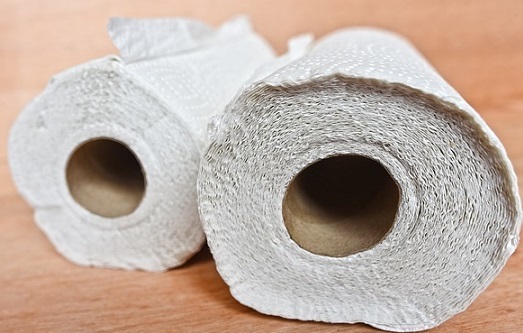
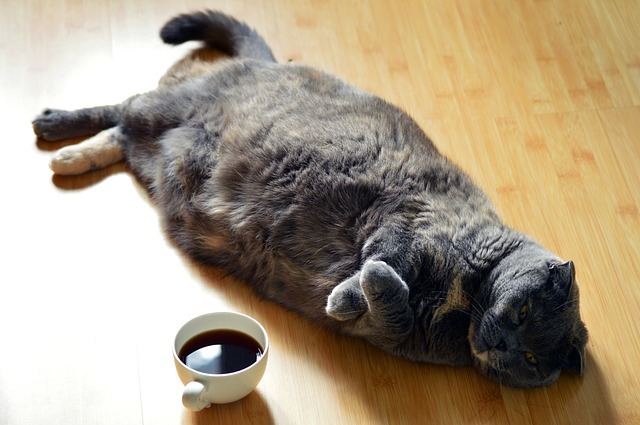

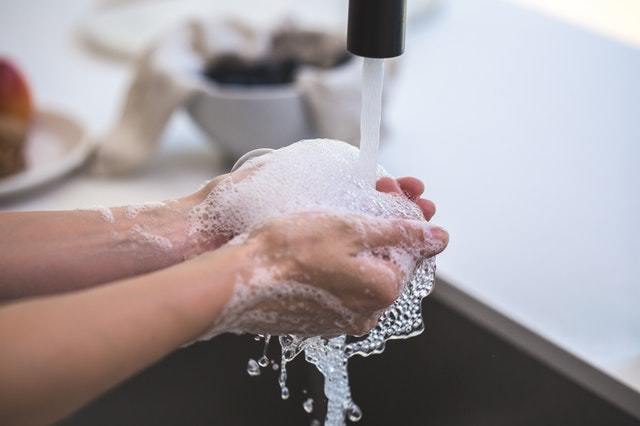

 s with any habit you’d like to instill in your cat, if you can start from when they are a kitten then that is ideal.
 So let’s get started with getting your cat used to your touch. Take one of your cat’s paws between your fingers and give it a very gentle touch, if she is accepting then a light squeeze is ok to proceed with.


 #2 Use Nail Clippers Designed for Cats & Be Sure They are Sharp


 Barkertime primarily focuses on making dog products, but this cat diaper is specifically made for cats. They’ve used their years of knowledge on dog diapers to bring an outstanding product to the cat market.


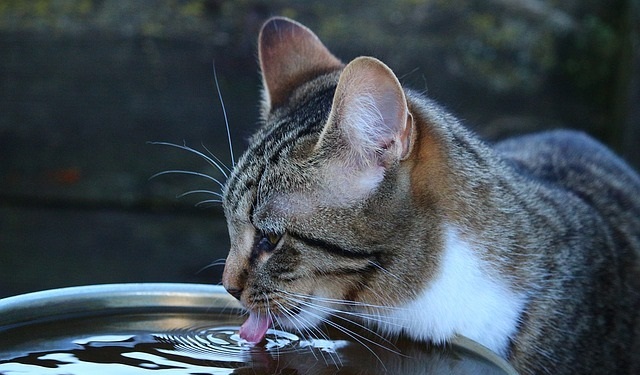


 Another great toy from Kong that is specifically designed to keep your kittens engaged in many ways. This toy is a little bit on the larger side for a kitten toy if you look at it as a whole.


 oks most interesting. This is definitely unique on the design side having a wheel in the center and some tied on fabric streams, so let’s talk a bit more about it!


 You’ll find that your kitten absolutely loves it too.


 If you’ve got a smart phone or tablet then you can put it to use to entertain your cat, and not with YouTube videos. There are more than a handful of mobile applications out there made to entertain your feline friend.
 Anyone out there that’s owned a cat knows that they are inherently curious. After all, the good old phrase “Curiosity killed the cat.” had to originate from somewhere right?

 #8

 Feeding your cat a little bit of catnip can help them relax before bed time. We often hear that catnip will cause your cat to become full of energy and bounce of the walls.


 Going For the Kill!
 Your Cat Isn’t a Witch (I’m Sure You Already Knew That)


